



ICE to Share Facial Recognition with Local Police
The United States is advancing toward deep integration of biometric surveillance tools between federal agencies and municipal police forces, with the current administration consolidating cooperation mechanisms to allow local officers to intervene in immigration control matters. This initiative equips local officials with advanced digital identification capabilities, transforming everyday patrol methods while raising privacy concerns across the country.

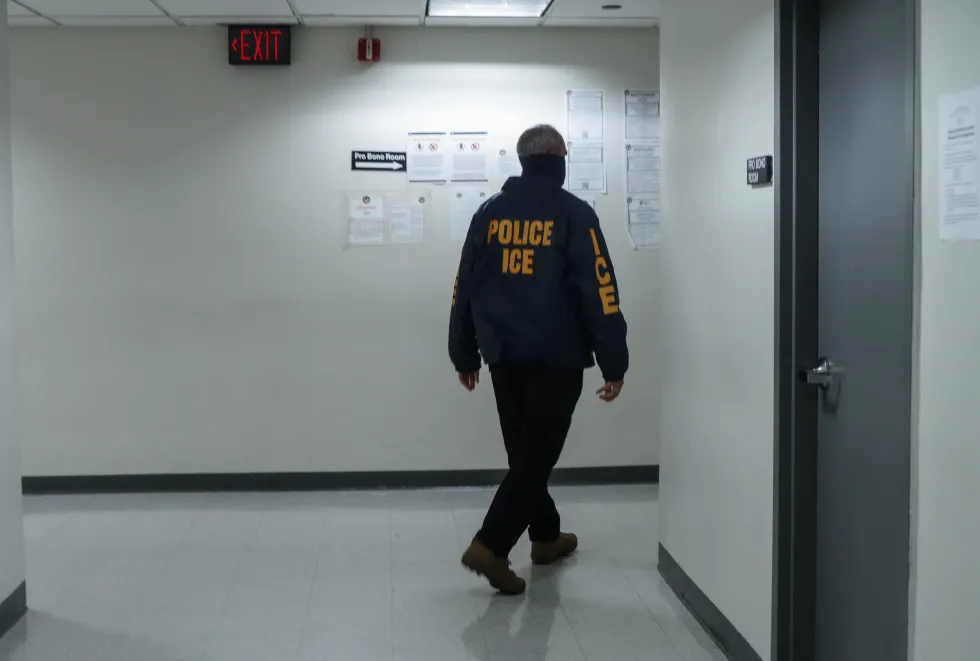
The use of biometric surveillance tools in the United States is advancing toward deep integration between federal agencies and municipal security forces. The current presidential administration seeks to consolidate cooperation mechanisms that allow local officers to intervene in immigration control matters. This initiative transforms everyday patrol methods by equipping local officials with advanced digital identification capabilities. Therefore, the technical debate over citizen privacy shifts directly to the streets and neighborhoods of the country.
The interconnection of government databases represents the core of this new fiscal surveillance strategy across national territory. Civil rights advocates argue that the decentralization of these systems increases the risk of identification errors. Conversely, proponents of the measure argue that digitalization optimizes operational tasks during traffic stops. In this context of technological innovation, the rules for storing and accessing personal information enter a phase of rigorous regulatory review.
Hispanic communities are watching the implementation of these programs with caution due to the direct impact on their routine activities. The possibility of being subjected to optical scans generates uncertainty about the actual scope of local police authority. Likewise, legal assistance organizations are multiplying their informational workshops to explain constitutional rights in effect during these inspections. Below are the operational details of the computer system and the implications for residents with or without legal status.

How does the new facial recognition technology module operate in local patrols?
The centerpiece of this expansion is a mobile application designed specifically for the Immigration and Customs Enforcement Service (ICE). The computer tool is known internally as the «ICE Task Force Module» and allows biometric analysis from portable devices. According to Department of Homeland Security (DHS) documents obtained by NPR, the system has operated continuously since September 2025. Officers on patrol can capture the facial image of any suspect during a routine intervention.
The software processes the photograph immediately and compares it against a massive inventory exceeding 250 million government records. The database includes detailed files of State Department (DOS) visas and Traveler Verification Service records. After completing the digital comparison, the platform issues specific directives on the officer’s phone screen. The system can order «do not stop or arrest» or provide a reference code to request additional information from federal analysts.
The distribution of this technology focuses on police departments affiliated with the «Task Force» model of the federal 287(g) program. This agreement explicitly empowers municipal agents to make immigration arrests on behalf of federal authorities. Approximately 1,300 police agencies across the country meet the conditions to receive access to this database. The retention periods for collected images and participating agencies are detailed in the following technical table:
| System Component | Operational Functionality | Storage Period | Source of Comparison Data |
| Mobile Application | Facial scanning in public areas | Immediate on device | Photographic capture by local officer |
| DHS Central Server | File and biometric storage | Indefinite retention | State Department visa records and traveler data |
Canal oficial
Únete a nuestro canal de WhatsApp
Recibe las noticias más importantes al instante, sin spam. Solo lo que importa, cuando importa.

Comentarios
Inicia sesión para comentar
Es gratis y toma un minuto. Con tu cuenta también podés:
- Comentar y participar en la conversación
- Guardar notas para leer después
- Ver tu historial de lectura
- Recibir el boletín con tus temas favoritos