



How to Qualify for an FHA Loan and Buy a Home in the U.S.
Buying a home typically begins with a key question: how much savings are needed for a down payment? FHA loans from the Federal Housing Administration offer an accessible alternative for working families and buyers with moderate savings or credit histories still being rebuilt, allowing purchases with as little as 3.5% down.

Anthony Astonitas
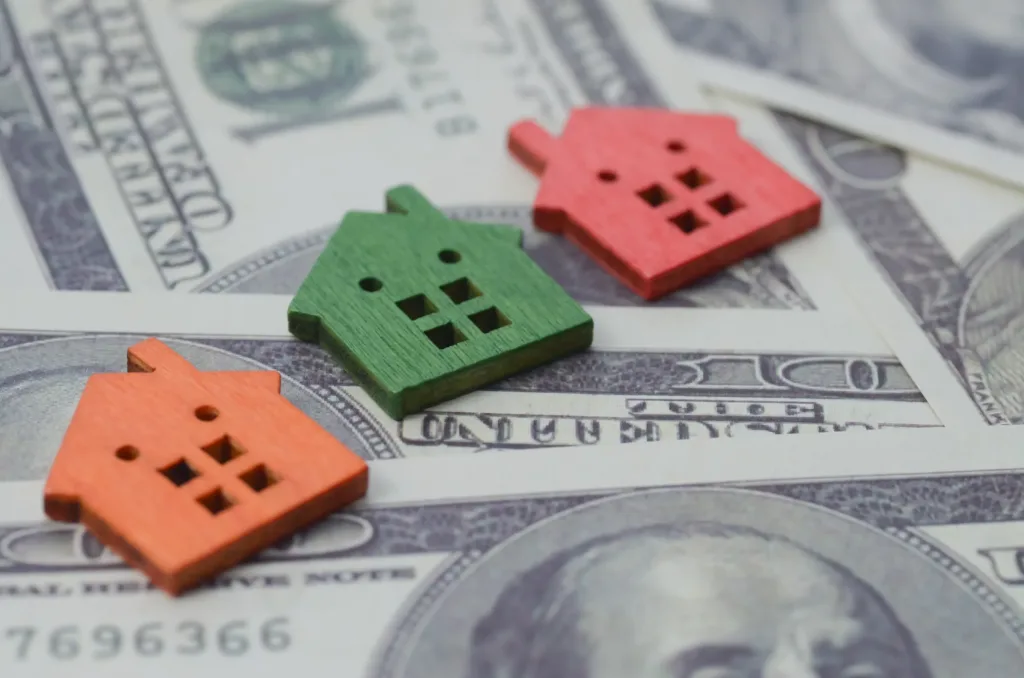
Buying a home usually starts with a fairly straightforward question: how much money do I need to have saved to take the first step? For many working families, gathering a large down payment represents one of the main obstacles to becoming homeowners. That’s where the FHA loan from the Federal Housing Administration comes in, a mortgage alternative that makes property ownership more accessible to buyers with moderate savings or a credit history that is still in the process of being rebuilt.
This option allows you to purchase a home with a down payment of just 3.5%, provided the buyer meets the conditions established by the federal government. However, there are additional costs, income requirements, and insurance regulations that should be analyzed thoroughly before signing any contract.

How much money do you need for an FHA loan down payment?
The required amount for the initial down payment depends directly on the applicant’s credit score. According to guidelines from the U.S. Department of Housing and Urban Development (HUD), buyers with a credit score of 580 or higher qualify for the minimum 3.5% down payment. On the other hand, if the score is between 500 and 579 points, the program requires an initial contribution of at least 10%.
It is important to clarify that the down payment does not represent the total amount of money needed to complete the real estate transaction. At the time of closing, the buyer must also cover closing costs, appraisal fees, property taxes, and initial mortgage insurance. For this reason, financial specialists suggest having a reserve fund equivalent to an additional 2% or 5% of the property’s value.
What aspects does the lender analyze before approving the mortgage?
Reaching the minimum credit score does not automatically guarantee approval of the application. The FHA backs and insures the transaction, but the money is disbursed by banking institutions, credit unions, or private lenders approved by the government. These entities evaluate the applicant’s ability to pay through the debt-to-income ratio, known in the financial sector as DTI.
The general FHA rule states that housing expenses should not exceed 31% of the buyer’s gross monthly income. Likewise, total accumulated debt, which includes credit cards, auto loans, and student loans, should not exceed 43% of total income. However, some lenders apply flexible criteria if the applicant demonstrates consolidated cash reserves or prolonged job stability.
In addition to income, banks review employment history accumulated over the past 2 continuous years. Financial stability and verification of consistent income through tax returns are fundamental to passing the pre-approval stage.
What are the hidden costs of FHA mortgage insurance?
The affordable down payment comes with an additional financial obligation: the mortgage insurance premium. This mechanism protects the lender in case the borrower defaults on mortgage payments. The FHA requires 2 types of premiums that increase the final cost of financing.
First, there is the upfront mortgage insurance premium (UFMIP), which currently equals 1.75% of the base loan amount. This amount can be paid at closing or incorporated into the total debt balance. Second, the program charges an annual premium (MIP) that is divided into 12 installments and included in the monthly mortgage payment.
Unlike conventional mortgages, where private insurance (PMI) is eliminated when the homeowner accumulates 20% of the accumulated home value, FHA insurance typically remains for the life of the loan if less than 10% was put down as a down payment. To cancel this fee, the person must refinance the debt into a conventional loan once the property gains equity.
What type of property can be purchased with this financing?
The FHA program requires that the acquired property serve as the buyer’s primary residence for at least 1 year. The financing is not designed for the purchase of investment properties, vacation homes, or commercial properties. The home must be occupied by the borrower within a maximum of 60 days after closing the transaction.
Before
Canal oficial
Únete a nuestro canal de WhatsApp
Recibe las noticias más importantes al instante, sin spam. Solo lo que importa, cuando importa.
Etiquetas

Autor
Anthony AstonitasDesarrollador de Software 12 años de experiencia
Comentarios
Inicia sesión para comentar
Es gratis y toma un minuto. Con tu cuenta también podés:
- Comentar y participar en la conversación
- Guardar notas para leer después
- Ver tu historial de lectura
- Recibir el boletín con tus temas favoritos