

Trump Administration Allows Asylum Processing Without Prior Interview
The Trump Administration will allow USCIS to send certain asylum applications directly to immigration courts without prior interviews, effective July 28. The rule could affect up to 444,000 pending cases and modifies the affirmative asylum process used by applicants not yet in removal proceedings.

Anthony Astonitas
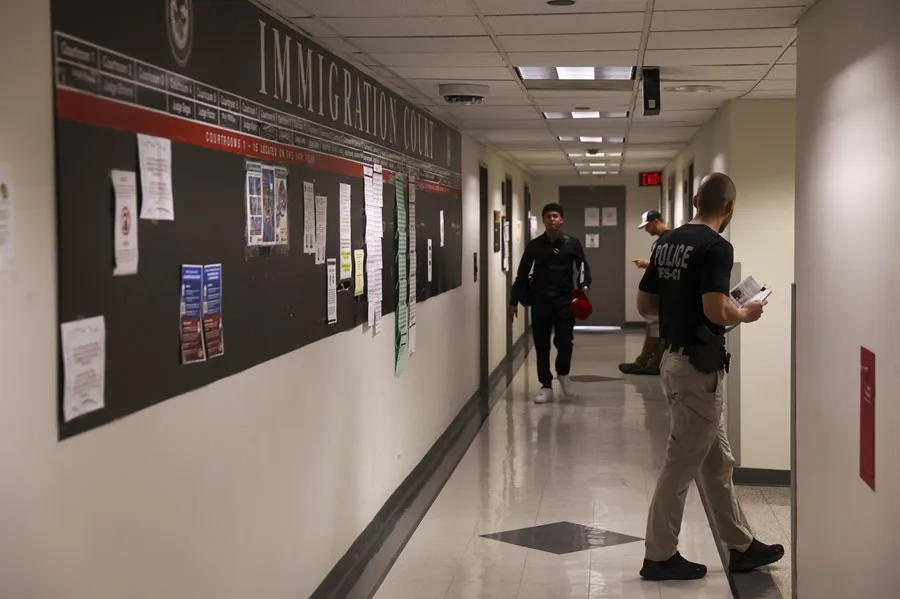
The Donald Trump Administration will allow USCIS to send certain asylum applications directly to immigration courts without interviewing applicants first. The rule takes effect on July 28 and could affect up to 444,000 pending cases.
The measure modifies the affirmative asylum process, used by people who submit their application while not already in removal proceedings. A referral to court does not by itself equate to a definitive denial, but it can initiate a deportation process.
The Department of Homeland Security maintains that the change seeks to reduce delays and identify ineligible cases more quickly. Immigrant advocacy organizations warn that the measure could limit opportunities to explain persecution, fear, or personal circumstances.
What Changes in the Asylum Process?
Until now, USCIS typically interviewed a person before approving, denying, or referring their application to a migration court. The interview allowed the applicant to explain their story under oath and answer questions from an officer. The interim rule eliminates references to the presumed right to a prior interview. Now, an officer may refer certain cases to the judge based on the written application, available documents, and background checks.

The regulation will apply to certain cases with eligibility obstacles or factors that USCIS deems determinative. The evaluation may include applications filed after the one-year deadline, legal prohibitions, or information warranting court review. USCIS estimates that up to 444,000 pending applications could be affected. That figure represents approximately 31% of the backlog of over 1.4 million accumulated affirmative cases as of the close of fiscal year 2025.
The agency will maintain interviews for applications that could be approved or denied directly. It would also continue interviewing people with current legal status or with claims that, on preliminary review, appear eligible. The change does not modify the obligation to demonstrate eligibility for asylum. The person must prove past persecution or well-founded fear based on race, religion, nationality, political opinion, or membership in a particular social group.
Who Could Be Affected?
The rule focuses on people who apply for affirmative asylum and are not already before an immigration court. Not all applicants will lose an interview, because USCIS will decide case by case. One of the most exposed groups includes those who filed the application more than one year after entering the United States. The law allows exceptions for changes in circumstances or extraordinary circumstances, but these must be substantiated with evidence.

Canal oficial
Únete a nuestro canal de WhatsApp
Recibe las noticias más importantes al instante, sin spam. Solo lo que importa, cuando importa.

Autor
Anthony AstonitasDesarrollador de Software 12 años de experiencia