



Trump accelerates restrictions on green cards for students and journalists
The Trump administration intensified immigration restrictions this week, limiting green card access and reducing the time foreign students and journalists can remain in the country. The White House will publish new rules in the Federal Register that align with Trump’s campaign promises on immigration.

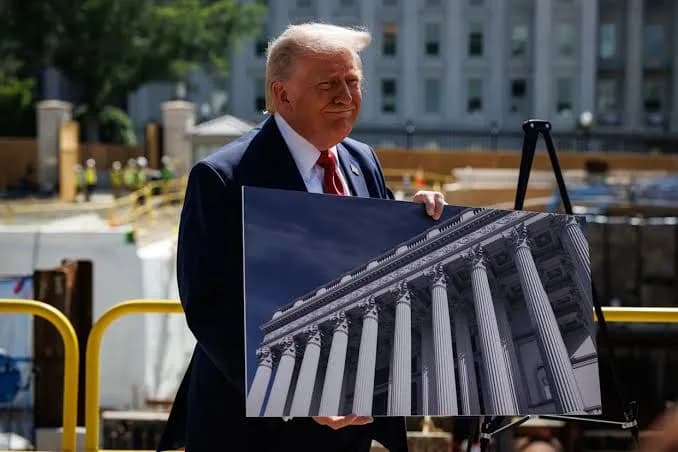
The Government of President Donald Trump intensified its immigration restrictions this week. The objective is to limit access to the so-called green card. The new measures also reduce the time that foreign students and journalists can remain in the country. It is another hardening within the Republican’s immigration policy. The White House will publish two rules in the Federal Register this week that have been in the works since last year. Both are aligned with the campaign promises made by Trump.
The objective behind the new restrictions
The Executive seeks to reduce opportunities for foreigners to remain legally in the country. In most cases, the final decision rests on the discretion of immigration officials. These officials will be the ones reviewing each application individually. The ambiguity in the criteria has generated concern among immigrant advocacy organizations. The new rules directly affect two distinct processes. On one hand, obtaining permanent residence; on the other, the duration of certain temporary visas.
More conditions to obtain permanent residence
A new immigration rule will take effect on September 18. This grants officials the authority to deny permanent residence to certain applicants. The measure applies to those whom officials consider could become «a public charge.» This occurs when the applicant has obtained certain state social benefits. Since his first term, between 2017 and 2021, Trump had already banned immigrants who requested social assistance. This included programs such as Medicaid and the Children’s Health Insurance Program, known as CHIP.
Low-income applicants in the crosshairs
That previous policy left many undocumented immigrants unable to pursue permanent residence. The new rule returns to that same restrictive approach. The measure also applies to foreigners seeking an immigrant visa. They must demonstrate sufficient financial solvency to reside in the country without relying on public benefits. Previously, the White House had already imposed restrictions for foreigners with chronic diseases. This included cases of cancer and obesity, under the argument of possible future dependence on the public health system.
Consular procedures as a new requirement
Added to these measures is the announcement from last May regarding the adjustment of immigration status. Undocumented immigrants must now conduct the process through consulates in their countries of origin. This would require applicants to temporarily leave the United States. During that process, they could face various difficulties before finally obtaining permanent residence. The measure has generated concern among migrant communities. Many fear that leaving the country implies additional risks during the consular process.
Less time of residence for students and journalists
The Department of Homeland Security (DHS) announced an additional rule this Thursday. This directly affects F, J, and I visas. F visas correspond to university students, while J visas are for exchange students. I visas, for their part, are intended for representatives of foreign media outlets. The new rule significantly reduces the legal stay time permitted for these groups. The change represents an important shift from previous immigration policies.
Specific limits according to visa type
Holders of F and J visas will not be able to remain more than four years for each admission period. This limit marks a considerable reduction from previous conditions. Journalists with I visas face an even greater restriction. They will be limited to a maximum of 240 days, although there is the possibility of requesting additional extensions. For journalists with Chinese passports, the restriction is even stricter. Their maximum period of stay will be only 90 days.
Extensions possible, but more frequent
The U.S. Government maintains the possibility of requesting extensions for these visas. However, foreigners will have to carry out this process much more frequently than before. This implies a more constant and exhausting administrative process for beneficiaries. Immigrant advocates warn that this could generate greater uncertainty among students and journalists. The measure is part of a broader Government strategy to tighten immigration controls on different fronts.
The campaign against undocumented immigrants
The Republican Administration argued that these changes seek to reduce the undocumented population in the country. According to DHS, many former exchange students remained illegally after their visas expired. The agency attributed this situation to the laxity of the current immigration system. A similar argument was used to justify restrictions on foreign university students. In the case of undocumented immigrants seeking to adjust their status, the Government seeks to close opportunities to those with fewer economic resources. This would put them directly in the line of sight of future deportations.
Canal oficial
Únete a nuestro canal de WhatsApp
Recibe las noticias más importantes al instante, sin spam. Solo lo que importa, cuando importa.

Comentarios
Inicia sesión para comentar
Es gratis y toma un minuto. Con tu cuenta también podés:
- Comentar y participar en la conversación
- Guardar notas para leer después
- Ver tu historial de lectura
- Recibir el boletín con tus temas favoritos