



Traveling with Advance Parole? Here are the immigration risks
The Board of Immigration Appeals overturned a ruling protecting immigrants traveling with Advance Parole, activating reentry bans for those with prior illegal presence in the U.S. DACA and TPS beneficiaries now face risks of multi-year reentry bans if they travel abroad using this permit.

Anthony Astonitas
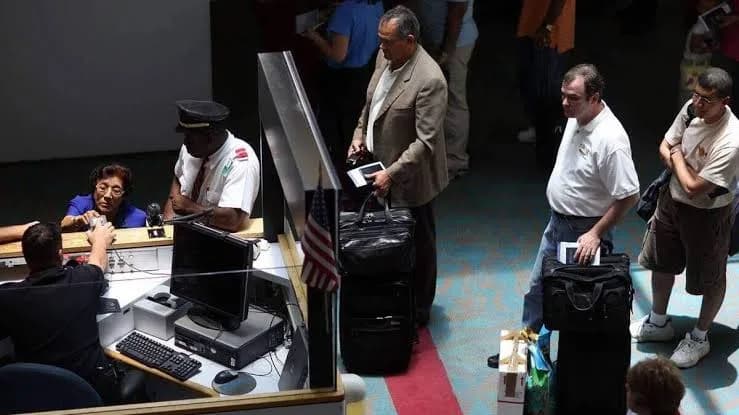
The Board of Immigration Appeals (BIA) overturned a ruling that allowed immigrants to travel with an advanced permission permit, known as Advance Parole, without that trip being considered a departure. Now reentry bans are activated for those who have accumulated illegal presence in the United States.
What is known about the new measure affecting TPS and immigrants who arrived as children
The ruling, called Matter of Delcarmen-Lara, 29 I&N Dec. 830 (BIA 2026), revokes the legal decision Matter of Arrabally and Yerrabelly. The latter allowed migrants to travel with Advance Parole without it being considered a «departure» that would trigger penalties for illegal presence.
With this reversal, any trip outside the country under this permit will be considered a «departure.» This is why reentry bans are activated for those who were in the country irregularly before obtaining their current status.
Immigration advocates warn that DACA and TPS beneficiaries now risk being banned from reentering the United States. The Board explained that the legal text contains no language exempting certain trips from this new definition.
The case that triggered the change
The regulation stems from the case of Milagro Delcarmen-Lara, a citizen of El Salvador. An immigration judge ordered her deportation in 2006 and the BIA upheld that order in 2008.
In 2013, she obtained Deferred Action for Childhood Arrivals (DACA). A year later, her U.S. citizen spouse succeeded in having USCIS approve a family petition on her behalf. In January 2024, Delcarmen-Lara traveled abroad with an Advance Parole permit and returned to the United States under that permit.
In May 2025, she asked to reopen her deportation case to request permanent residency. In reviewing that motion, the BIA decided to change the legal interpretation that had governed since 2012 and ended up denying her request, though for procedural reasons distinct from the merits of the new standard.
How the new regulation impacts citizens with TPS or DACA
By being considered a formal departure, inadmissibility penalties are activated for those who were without status before their current protection. Those who accumulated between 180 days and one year of illegal presence face a three-year ban. Those who accumulated one year or more face a ten-year ban on returning to the country.
These sanctions would affect people with Temporary Protected Status (TPS) or DACA who at some point lived without papers before receiving that protection. According to immigration attorneys, these beneficiaries expose themselves to being banned from reentering or being separated from their families for years if they leave the country, even if their permit was approved and paid for.
«It’s another step by the Trump administration to demonize and disparage DACA beneficiaries,» said Todd Schulte, president of FWD.us, in an interview with El Nuevo Herald.
According to attorney Gustavo Mora, in statements to Telemundo 52, those who planned to use reentry with Advance Parole to process permanent residency could now be forced to request a waiver of inadmissibility.
The weight of the DACA program today
The potential impact of this ruling is broad. According to USCIS figures cited by specialized organizations, hundreds of thousands of people remain under the DACA program in the country, and many of them arrived in the United States without documents before obtaining that protection. Many of these beneficiaries use Advance Parole every year to travel for family, work, or medical reasons.
That frequent use of the permit is precisely what now generates concern among immigration attorneys. A trip that was once routine could become the cause of prolonged family separation.
Who is not affected by the new Advance Parole measure
The Board of Immigration Appeals determined that this new rule will be applied prospectively. This means that those who left the United States and returned with an Advance Parole before August 13, 2026, will not have inadmissibility penalties activated for those past trips.
Similarly, the ruling notes that Congress has created explicit exceptions or waivers for certain groups. Among them are those who request status adjustment under the Nicaraguan Adjustment and Central American Relief Act (Nacara) or the Haitian Refugee Equity Act (Hrifa).
What immigrants should do before traveling
Specialists agree on a central message: no one should leave the country with Advance Parole without first reviewing their complete immigration history with an attorney. The exact date when illegal presence began to accumulate, and how long it lasted, determines whether a future trip could activate a three or ten-year ban.
This ruling does not eliminate Advance Parole as a migration tool. The document still exists and eligible people can still request it. What changed is the legal protection that previously shielded those trips from the consequences of prior illegal presence.
For thousands of Hispanic families with DACA or TPS status, the recommendation from attorneys is clear: before scheduling any international trip, it is advisable to confirm with a professional whether that travel could close, rather than open, the path toward permanent residency.
Canal oficial
Únete a nuestro canal de WhatsApp
Recibe las noticias más importantes al instante, sin spam. Solo lo que importa, cuando importa.

Autor
Anthony AstonitasDesarrollador de Software 12 años de experiencia
Comentarios
Inicia sesión para comentar
Es gratis y toma un minuto. Con tu cuenta también podés:
- Comentar y participar en la conversación
- Guardar notas para leer después
- Ver tu historial de lectura
- Recibir el boletín con tus temas favoritos