



The Hidden Cost of Eating Well Inside ICE Detention Centers
Thousands of people in ICE custody must spend hundreds of dollars weekly at inflated prison commissary prices to avoid spoiled food rations, generating millions in profits for private detention corporations while working-class families struggle with the financial burden.

Anthony Astonitas
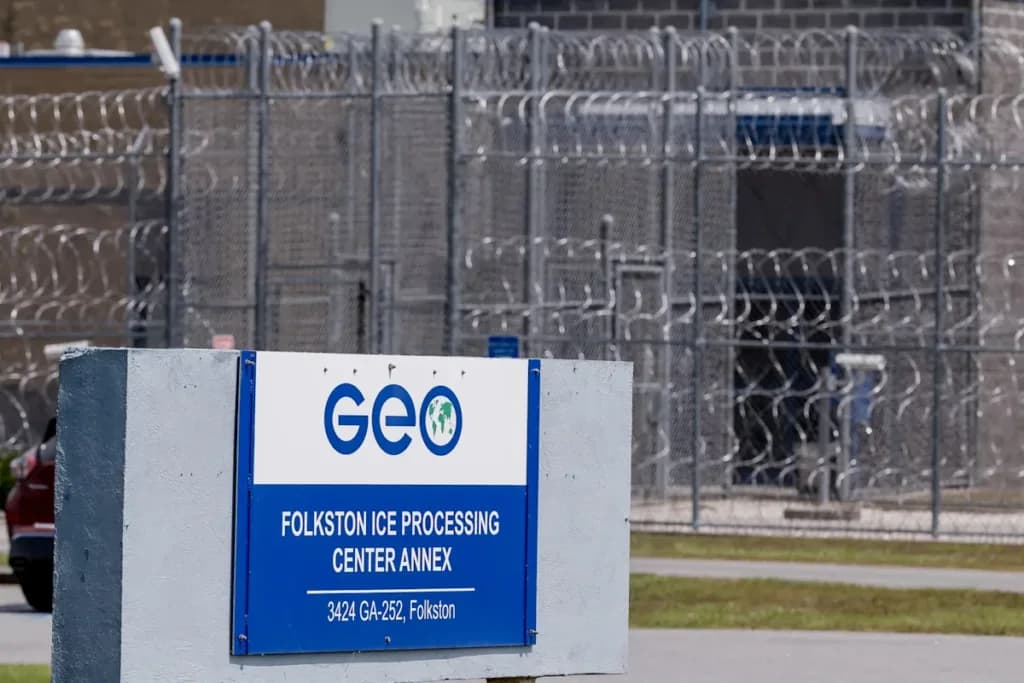
Surviving on an empty stomach has become routine for thousands of people in custody of the Immigration and Customs Enforcement Service. Multiple government reports and lawsuits denounce the precarious food conditions in detention centers. To avoid consuming spoiled rations, detainees must spend thousands of dollars at internal prison commissaries. This situation generates millions in profits for private corporations that manage the facilities and set excessive prices.
The problem has worsened due to extreme overcrowding recorded in the immigration detention system in recent months. The agency currently holds nearly 66,000 people in custody and projects raising that figure to 100,000 detainees. Faced with rations described as «dog food,» inmates depend exclusively on monetary deposits sent by their families. Those who receive no financial assistance must work eight-hour shifts for a symbolic payment of one dollar per day.
A recent report prepared by California’s Department of Justice revealed that some detainees spend up to 150 dollars weekly on basic food items. Inspectors documented cases of decomposed meat, expired tuna, and raw rice in facilities such as Adelanto, Mesa Verde, and Otay Mesa. «It’s a perfect business where human’s most basic need is exploited,» said Val Suárez, organizer of the California Collaborative for Immigrant Justice.

Why do prices in prison commissaries reach extreme markups?
Commissaries within detention centers operate under a scheme of minimal oversight and contracts with external corporate suppliers. Companies such as Trinity Food Services, GEO Group, and CoreCivic set rates far exceeding conventional retail market prices. A jar of instant coffee can cost 18 dollars at the commissary, representing more than double its typical value in supermarkets.
Private corporations operating these facilities report solid financial statements driven by sustained increases in immigration detentions. During the second quarter of the year, GEO Group and CoreCivic combined for 1.4 billion dollars in revenue. This scenario represents year-over-year growth of 15% and 27%, respectively, demonstrating the high profitability of the sector.
| Essential product | Average supermarket price | Price charged at commissary | Markup percentage |
| Can of tuna | $1.50 | $4.50 | +200% |
| Colgate toothpaste | $2.50 | $5.97 | +139% |
| Bar soap | $1.20 | $2.10 | +75% |
| Small cereal box | $5.50 | $13.00 | +136% |
Working-class families must assume these disproportionate costs to prevent their loved ones from suffering malnutrition or gastrointestinal illnesses. Detainees are prohibited from using cash, forcing them to rely on electronic transfers subject to bank fees. This commercial structure converts basic nutrition into a devastating financial burden for the Hispanic community.
What legislative measures seek to curb abuses in internal prison stores?
Facing a wave of complaints and boycotts organized by detainees themselves, the California Legislature began processing regulatory responses. State Senator Steve Padilla advanced bill SB 941 to impose a limit on
Canal oficial
Únete a nuestro canal de WhatsApp
Recibe las noticias más importantes al instante, sin spam. Solo lo que importa, cuando importa.

Autor
Anthony AstonitasDesarrollador de Software 12 años de experiencia
Comentarios
Inicia sesión para comentar
Es gratis y toma un minuto. Con tu cuenta también podés:
- Comentar y participar en la conversación
- Guardar notas para leer después
- Ver tu historial de lectura
- Recibir el boletín con tus temas favoritos