



The End of Alligator Alcatraz: A Migration Setback to Trump
The gradual closure of ‘Alligator Alcatraz,’ a migrant detention center in Florida that became a symbol of Trump’s hardline immigration policies, marks a significant shift as the facility is dismantled in 2026, with detainee numbers dropping from approximately 1,400 to just over 100 in recent weeks. The closure results from legal challenges, environmental violations, mounting costs exceeding $1 million daily, and widespread allegations of inhumane conditions.

Anthony Astonitas
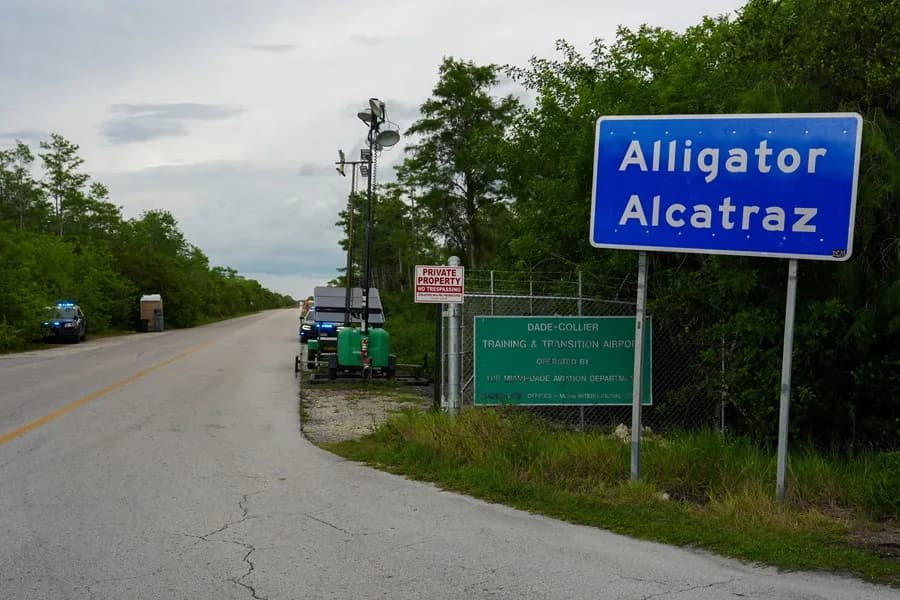
The gradual closure of «Alligator Alcatraz,» a migrant detention center in Florida, marks a turning point in the immigration policy driven during the Trump era. The facility, located in the Everglades, was presented as a symbol of a hard line against irregular migration.
However, in 2026, its dismantling is advancing discreetly. Nighttime transfers of detainees and a drastic reduction in population reflect an operational shift. According to El País, the number of detainees dropped from approximately 1,400 to just over 100 in recent weeks.
This shift occurs amid legal challenges, complaints about inhumane conditions, and rising costs. Additionally, it directly impacts Latino communities in the United States, many of which are closely following these proceedings.
Why is Alligator Alcatraz Closing?
The closure does not respond to a single cause, but rather to a combination of legal, economic, and political factors. First, federal courts have questioned the center’s legality. According to information from the U.S. judicial system, there are rulings that ordered its dismantling for environmental violations. The center was built in an ecologically sensitive area. The Big Cypress National Reserve harbors endangered species and indigenous territories. Environmental organizations and the Miccosukee tribe reported irreversible impacts on the ecosystem.
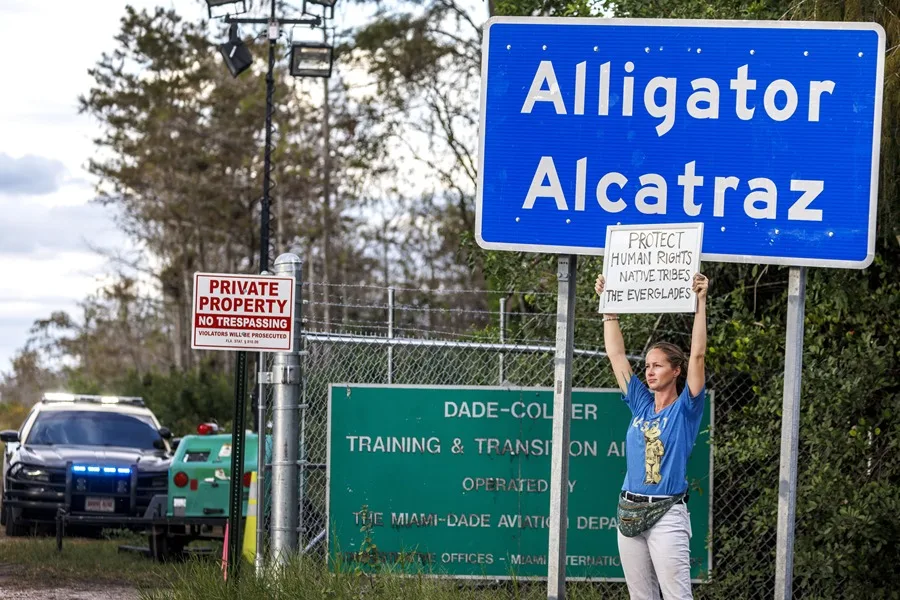
Furthermore, operational costs have been a central problem. Reports cited by El País indicate that maintenance exceeded 1 million dollars daily. This is compounded by a federal reimbursement of 600 million that has yet to materialize. On the other hand, political context also plays a role. Immigration policy has evolved and faces greater public scrutiny. Institutions such as the Department of Homeland Security (DHS) have reinforced oversight and compliance standards.
What Happened to the Detained Migrants?
The closure process has generated uncertainty among detainees and their families. Many have been transferred without prior notice to centers in Louisiana, Arizona, or Miami. These movements hinder the tracking of immigration cases. According to testimonies gathered by outlets such as El País, some migrants temporarily disappear from the ICE locator system. This limits access to lawyers and communication with family members.

Conditions within the center have also been widely criticized. Reports from Amnesty International documented practices that could constitute cruel or degrading treatment. Additionally, organizations such as the ACLU have filed lawsuits over restrictions on legal access. These complaints have for
Canal oficial
Únete a nuestro canal de WhatsApp
Recibe las noticias más importantes al instante, sin spam. Solo lo que importa, cuando importa.

Autor
Anthony AstonitasDesarrollador de Software 12 años de experiencia
Comentarios
Inicia sesión para comentar
Es gratis y toma un minuto. Con tu cuenta también podés:
- Comentar y participar en la conversación
- Guardar notas para leer después
- Ver tu historial de lectura
- Recibir el boletín con tus temas favoritos