



Ruling Halts ICE Arrests in Courts: See the Exceptions
A federal court halted routine ICE arrests in immigration courts and reinstated stricter limits across the U.S., with specific exceptions only for national security or serious and immediate risk. The ruling, issued by Judge P. Casey Pitts in California, revives important protections for those attending immigration hearings and reopens debate over ICE’s authority and due process in immigration courts.

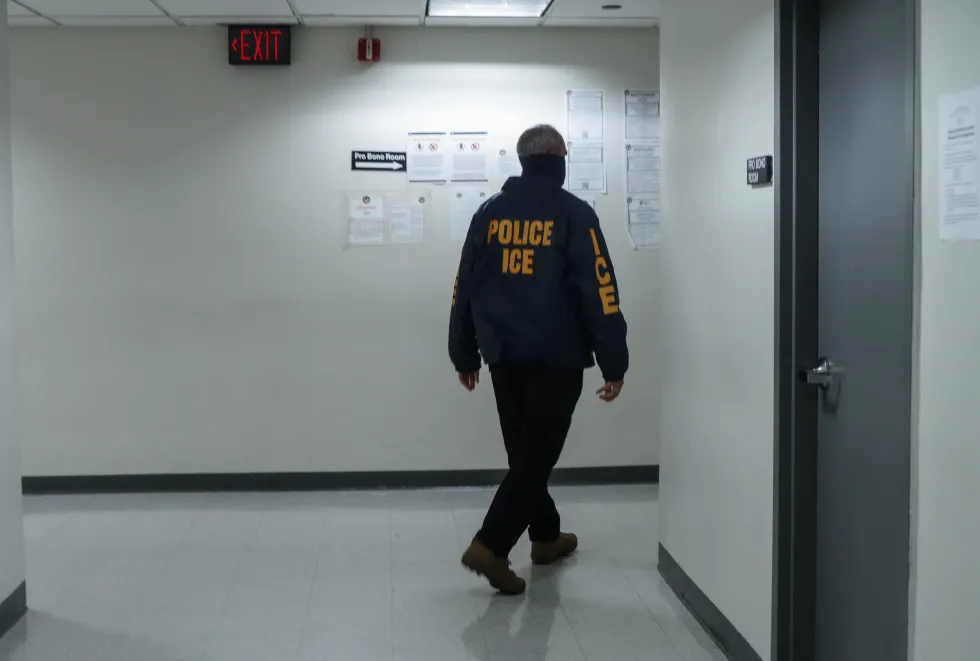
The federal court halted routine ICE arrests in immigration courts and reinstated stricter limits across the U.S. The decision leaves very specific exceptions, particularly for national security or serious and immediate risk.
The ruling, issued by Judge P. Casey Pitts in California, revives an important protection for those attending their immigration hearings. It also reopens the debate over ICE’s reach and due process in immigration courts.
What Did the Judge Order?
The federal judge characterized as «arbitrary and capricious» the policy that allowed routine arrests in immigration courts. The ruling states that this practice lacked sufficient rational explanation.
According to the ruling itself, ICE can no longer wait for people in hallways, waiting rooms, or immediate areas of courts to automatically detain them. The restriction applies nationwide.
The lawsuit that led to this case arose after an asylum seeker was detained upon leaving a routine hearing in San Francisco. That precedent shaped a broader dispute over security and legal protections.
The U.S. District Court for the Northern District of California made clear that internal policies alone are insufficient to justify civil detentions without a solid legal basis. This point is key for thousands of people attending immigration appointments each week.
What Are the Exceptions?
The ruling does not ban all arrests. It drastically limits them and only allows them in exceptional scenarios. One exception is national security. This would include credible suspicions of terrorism or activities that pose a direct threat to the country.
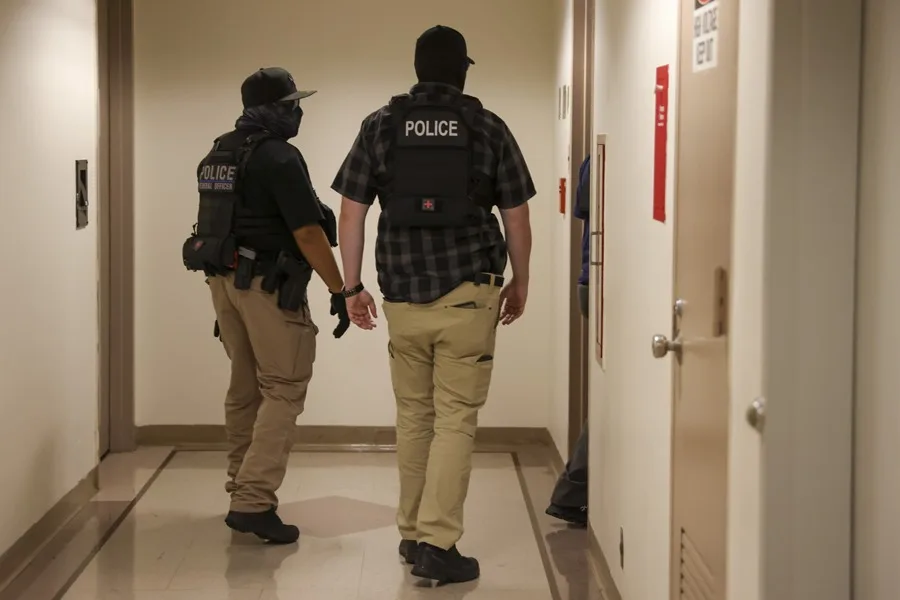
The second exception is serious and immediate risk to public safety. This would include cases involving violence, attempted assault, or possession of weapons inside or near the courthouse. The third exception is immediate pursuit. It refers to an active situation where the person flees from a police operation and is caught almost immediately.
The American Civil Liberties Union has documented for years the effects of courthouse arrests on access to justice. For many families, attending a hearing became a moment of fear rather than legal defense.
What Background Factors Were Considered?
This decision is based on a broader judicial line regarding limits on government authority in immigration matters. It also restores the framework applied during the Joe Biden administration, when courthouse arrests were only permitted in very specific cases.
In 2022, the debate over ICE’s authority already showed
Canal oficial
Únete a nuestro canal de WhatsApp
Recibe las noticias más importantes al instante, sin spam. Solo lo que importa, cuando importa.

Comentarios
Inicia sesión para comentar
Es gratis y toma un minuto. Con tu cuenta también podés:
- Comentar y participar en la conversación
- Guardar notas para leer después
- Ver tu historial de lectura
- Recibir el boletín con tus temas favoritos