



ICE Ignored FAA Standards on Deportation Flights
ICE allegedly operated deportation flights with serious safety failures, according to a federal lawsuit filed by a former Avelo Airlines flight attendant who was allegedly punished after reporting Federal Aviation Administration violations. The case raises questions about charter flight oversight, protocols, and workplace retaliation.

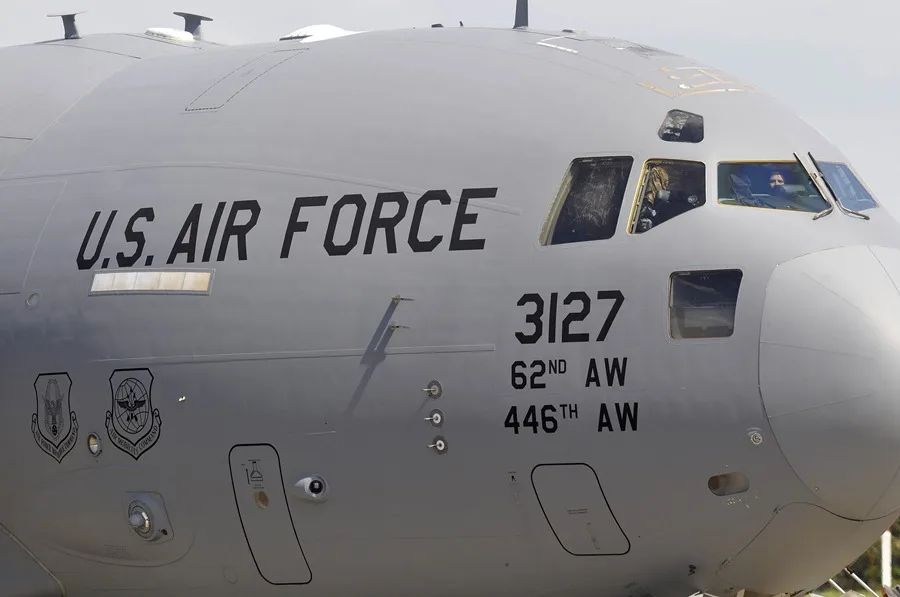
ICE allegedly operated deportation flights with serious safety failures, according to a federal lawsuit filed by a former flight attendant from Avelo Airlines. The case alleges that the company punished the employee after she reported violations of Federal Aviation Administration standards, in addition to potential risks to crew and passengers.
The lawsuit, cited by The Independent, puts charter flight hiring for migrant transfers under scrutiny. It also raises questions about oversight, protocols, and workplace retaliation. The case is still ongoing and the allegations have not been proven.
The whistleblower, Arianne Campbell, claims she reported repeated problems during her assignment in Mesa, Arizona. Among them she cited omitted cabin checks, sanitary risks, and unclear evacuation procedures. Her account describes an environment that, according to her, ignored basic aviation safety rules.
What Does the Former Flight Attendant Allege?
Campbell claims she observed serious violations of federal standards during ICE-related flights. According to the lawsuit, crew members did not perform required checks on takeoffs and landings. There was also allegedly inadequate storage of supplies and exposure to contagious diseases.
One of the most delicate points is evacuations. The plaintiff alleges there were no clear instructions for responding to an emergency. In aviation, that lack of definition can complicate a rapid response and put lives at risk.
The Federal Aviation Administration sets requirements for operational safety, cabin readiness, and emergency procedures. These rules exist to reduce accidents and facilitate an orderly evacuation. If a company omits them, the potential risk increases immediately.
The lawsuit adds an episode of workplace violence. According to Campbell, a captain punched an auxiliary crew seat in front of other witnesses. After that, she told her superiors that she did not feel safe working with that pilot.
That allegation matters because the conflict was not just technical. It also involves workplace environment and retaliation. For a worker who reported risks, the next step was not protection, but punishment, according to the accusation.
Why Does the Accusation Point to Retaliation?
Campbell asserts that she was first demoted and then removed from her assignments. The lawsuit states she lost her position as crew chief, received a salary reduction, and was left out of scheduled flights. Months later, she was fired.
Court documents state she had also spoken about union representation. That detail is key because employees have the right to raise workplace concerns and to organize. The National Labor Relations Board protects several of those activities under U.S. law.

Canal oficial
Únete a nuestro canal de WhatsApp
Recibe las noticias más importantes al instante, sin spam. Solo lo que importa, cuando importa.

Comentarios
Inicia sesión para comentar
Es gratis y toma un minuto. Con tu cuenta también podés:
- Comentar y participar en la conversación
- Guardar notas para leer después
- Ver tu historial de lectura
- Recibir el boletín con tus temas favoritos