



ICE Evaluated Using Facial Recognition With TikTok Photos
ICE agents in Long Beach, California discussed using facial recognition technology against an undocumented person after she shared her profile photo on TikTok, according to text messages revealed by the ACLU in a court filing. The case highlights growing concerns about how ICE monitors social media and uses facial recognition tools like Mobile Fortify to identify and locate immigrants.

Anthony Astonitas
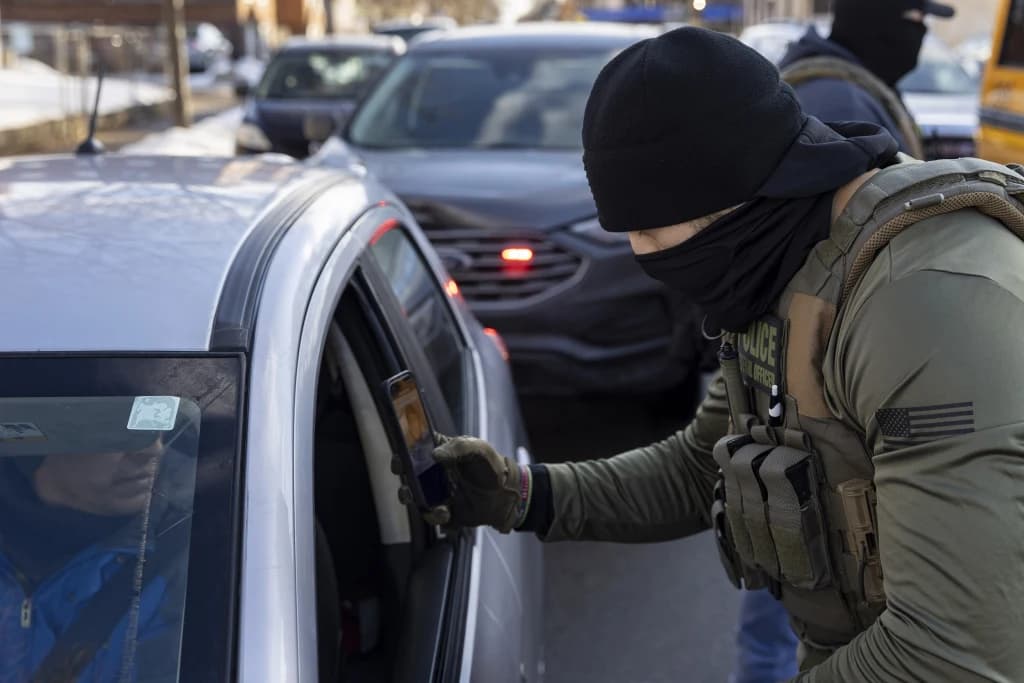
Agents of the Immigration and Customs Enforcement (ICE) in Long Beach, California, discussed using facial recognition against an undocumented person. The conversation came to light this week when the American Civil Liberties Union (ACLU) included it as evidence in a court motion.
What do the text messages between agents reveal?
According to messages cited by the ACLU, two ICE agents discussed a woman’s profile photo on TikTok. The user had reportedly shared on the platform that she had no legal status in the United States.
The agents considered cross-referencing that image with biometric databases. The goal would have been to confirm the woman’s identity and locate her for a possible immigration arrest.
The case adds to other recent episodes of digital surveillance against immigrants in Southern California. Civil rights advocates characterized the exchange as evidence of how ICE monitors social media.
The court motion does not specify whether the agents actually executed the biometric data cross-reference. It also does not confirm whether the woman was located or detained based on that conversation.
Univision, which had access to the messages, was the first media outlet to report the case on August 21. The ACLU has not revealed the full case name or the exact date of the conversation between the agents.
Biometric surveillance: the role of Mobile Fortify
ICE already has a facial identification tool called Mobile Fortify. The application allows agents to photograph a person and instantly compare it to federal and state databases.
That system cross-references faces against a file of approximately 200 million images, according to Telemundo. Among those images are photos from state driver’s licenses.
The Illinois Attorney General’s office documented that the application was used more than 100,000 times since its launch. The government retains facial records for up to 15 years, regardless of the scanned person’s immigration status.
By comparison, the Transportation Security Administration (TSA) deletes facial data from U.S. citizens within 24 hours. The difference between these timeframes fuels debate over proportionality and privacy.
Legal framework: what the Fourth Amendment protects
The U.S. Constitution, through the Fourth Amendment, protects people against government searches without a court order. Several pending lawsuits argue that forced facial scanning violates that right.
The Minnesota ACLU filed a class action suit against ICE and U.S. Customs and Border Protection (CBP). The document alleges that warrantless facial scans have become a routine practice among agents.
A government spokesperson rejected those accusations. He stated in an email that claims about Fourth Amendment violations «are false.»
That same spokesperson maintained that Mobile Fortify was not restricted or limited by any court or legal guidance. The plaintiff organizations insist the legal dispute remains open.
Biometric identification: the risks of false positives
Facial recognition does not confirm an identity with absolute certainty; it produces a probability of a match. Organizations like the ACLU have documented cases of misidentification that led to unjust arrests.
In Florida, a man sued several police departments after being wrongly identified as a suspect in a felony, according to IBTimes UK. The case exposed the flaws of this technology when used without additional verification.
Studies cited by the ACLU show higher error rates in Black and Brown individuals. That disparity concerns advocates for Hispanic communities, who could also be affected by false positives.
Reactions from civil rights organizations
Immigration advocates warned that social media has become another source of surveillance for ICE. They recommended caution when sharing information about immigration status on public platforms.
The ACLU maintains that using profile photos to identify people without a court order opens the door to mass surveillance. The organization asked courts to halt these practices while lawsuits proceed.
Immigration lawyers consulted by various media outlets agree the legal framework is still in dispute. No federal court has definitively ruled whether this type of facial identification requires a prior court order.
What can an undocumented immigrant do in this situation?
Specialists recommend reviewing privacy settings on social media platforms like TikTok. They also suggest avoiding publicly sharing details about one’s own immigration status or that of others.
Organizations like the ACLU offer free guides on people’s rights when facing possible contact with ICE. Knowing those rights, they say, is the first step to responding with information rather than fear.
The litigation in Long Beach remains open and could set a precedent on the use of social media in immigration operations.
Canal oficial
Únete a nuestro canal de WhatsApp
Recibe las noticias más importantes al instante, sin spam. Solo lo que importa, cuando importa.
Etiquetas

Autor
Anthony AstonitasDesarrollador de Software 12 años de experiencia
Comentarios
Inicia sesión para comentar
Es gratis y toma un minuto. Con tu cuenta también podés:
- Comentar y participar en la conversación
- Guardar notas para leer después
- Ver tu historial de lectura
- Recibir el boletín con tus temas favoritos