



Does Using Medicaid or Food Stamps Prevent You From Getting a Green Card?
U.S. immigration officials have revoked a Biden-era rule that restricted public charge evaluations, allowing immigration agents to conduct more extensive reviews of green card applicants’ use of benefits like Medicaid, food stamps, and housing assistance. The new rule, taking effect September 18, will affect approximately 588,000 annual status adjustment applicants and could deter nearly 950,000 immigrant households from seeking public benefits.

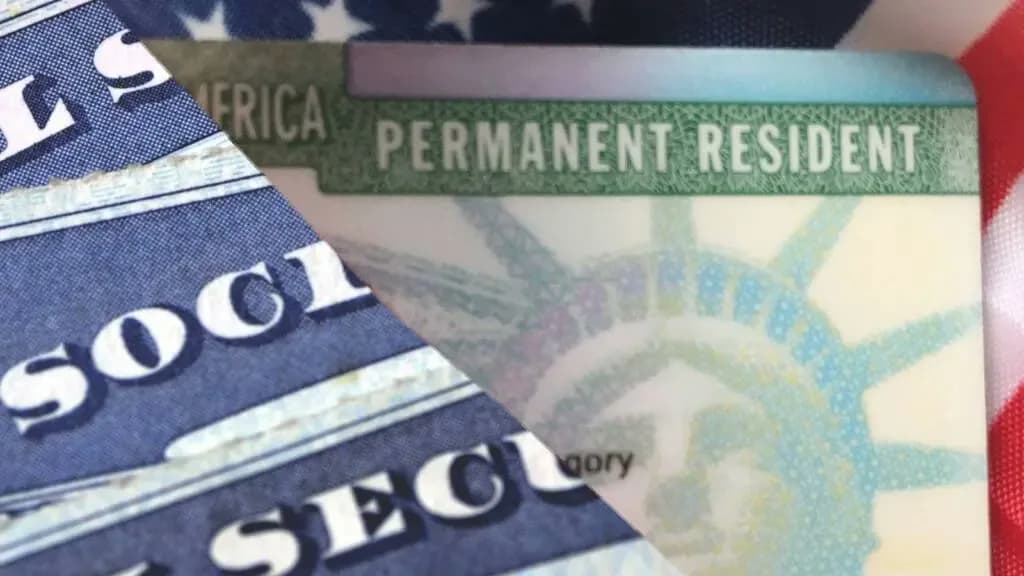
Officials from the U.S. Citizenship and Immigration Services (USCIS) confirmed a significant change this week. The Department of Homeland Security (DHS) revoked a Biden-era rule issued in 2022.
That rule restricted what immigration agents could verify about the so-called «public charge.» It is a tool that evaluates how much applicants depend on government assistance.
With this change, hundreds of thousands of green card applicants will now face much more thorough scrutiny. The review will include the use of benefits such as Medicaid, food stamps, and housing assistance.
A Much More Restrictive and Thorough Review
Current federal immigration law allows the government to reject applications by considering whether a person could become «a burden» on the State. This principle is not new in the U.S. immigration system.
However, the regulations promoted by Joe Biden in 2022 were considerably more restrictive. It clearly limited what information the DHS could review during the process.
Under the new rule, officials will be able to conduct much broader case-by-case reviews. These will take into account the applicant’s age, health, family status, and financial resources.
Which Benefits Will Enter the Evaluation
According to USCIS officials, the review will also consider the applicant’s education and work skills. It will also evaluate whether the person has received taxpayer-funded benefits.
These benefits subject to means testing may include food stamps, Medicaid, and housing assistance. The combination of these factors will define the final outcome of each application.
«The Trump administration upholds the rule of law and protects American taxpayers,» said Zach Kahler, USCIS spokesperson. The official added that the agency seeks to prevent foreigners from becoming dependent on public benefits.
Who Does This New Measure Affect?
In its November 2025 proposal, the DHS estimated a considerable number of affected people. Approximately 588,000 adjustment of status applicants would be subject to this public charge review annually.
This figure does not include those applying for visas from abroad. It also does not account for people seeking direct admission at the U.S. border.
The DHS itself acknowledged that the measure could generate a considerable «deterrent effect.» According to their calculations, approximately 950,000 people in immigrant households could forgo public benefits out of fear of immigration retaliation.
The Fear of Immigrant Families
Some experts warned about a possible domino effect in the immigrant community. They fear that families will avoid requesting health care, food, or housing assistance, even when they meet legal requirements.
This fear could even affect U.S. citizen children who legitimately qualify for these benefits. The concern is that accessing that aid could harm future permanent residence petitions.
USCIS officials clarified an important point in this regard. Benefits received by the applicant’s family members will not be considered as their own during individual evaluation.
How Family Benefits Will Be Evaluated
However, officials may take those benefits into account when analyzing the overall financial situation. This will occur especially if they suggest that the applicant cannot financially support their family.
Conversely, if those benefits help sustain the applicant, they could also influence the final decision. The evaluation seeks to be comprehensive, considering the complete context of the immigrant household.
This flexibility in interpretation has generated concern among immigration lawyers. Many believe that the margin of discretion could lead to inconsistent decisions between different cases.
When Will the New Rule Take Effect?
USCIS confirmed that the measure will take effect on September 18. Before that date, the agency will update forms, guidelines, and internal procedures.
For applications submitted before the rule takes effect, there is special consideration. Officials will only evaluate means-tested benefits received from that specific date forward.
That is, previously received benefits will only be taken into account if they included public financial assistance. This applies particularly to income maintenance or long-term institutionalization.
Changes Also on Form I-485
USCIS will also publish a revised version of Form I-485. This document is essential for registering permanent residence or adjusting immigration status.
The agency clearly warned in its statement about earlier versions of the form. Applications with postmarks or electronic submissions prior to the effective date of the rule will not be accepted.
This administrative change will force thousands of applicants to quickly familiarize themselves with the new documentation. Immigration lawyers recommend staying alert to official USCIS updates.
Trump’s Crusade Against Limited-Resource Applicants
Added to this controversial restructuring is another measure under development. The Trump administration is reportedly considering imposing a $100,000 bond for certain permanent residence applicants.
According to sources
Canal oficial
Únete a nuestro canal de WhatsApp
Recibe las noticias más importantes al instante, sin spam. Solo lo que importa, cuando importa.
Etiquetas

Comentarios
Inicia sesión para comentar
Es gratis y toma un minuto. Con tu cuenta también podés:
- Comentar y participar en la conversación
- Guardar notas para leer después
- Ver tu historial de lectura
- Recibir el boletín con tus temas favoritos