



Does Judicial Protection End for TPS and Parole?
The Supreme Court has closed federal courts to review the cancellation of key immigration programs, leaving more than 1.3 million immigrants with Temporary Protected Status (TPS) and 500,000 humanitarian parole beneficiaries vulnerable to deportation without judicial recourse.

Anthony Astonitas
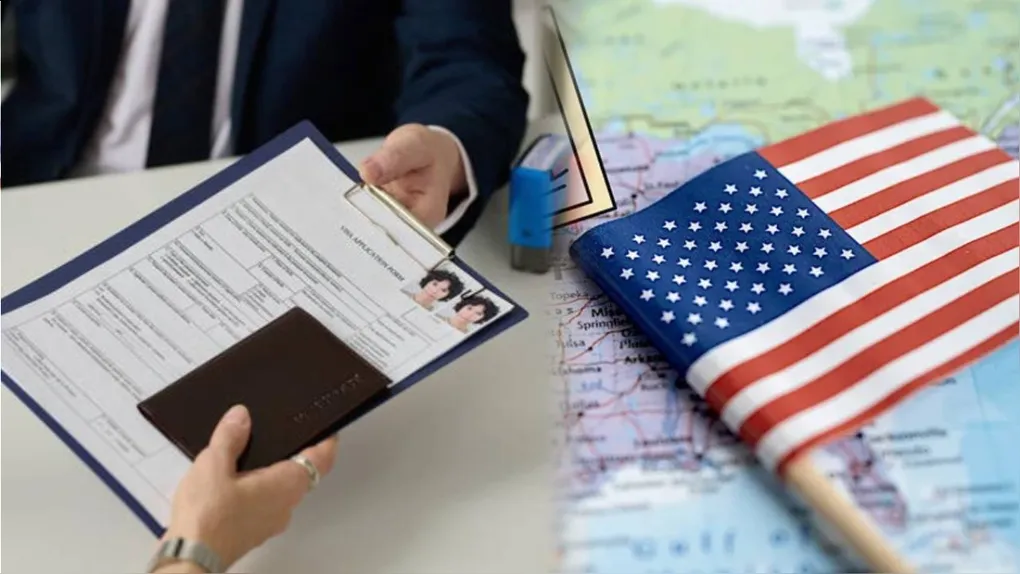
The legal landscape for the Hispanic community in the United States has taken a drastic and definitive turn. A series of Supreme Court decisions closed the doors to federal courts for reviewing the cancellation of key immigration programs. Temporary Protected Status (TPS) and humanitarian parole have been stripped of the judicial shield that historically prevented their deportations.
This legal restructuring leaves more than 1.3 million immigrants protected by TPS vulnerable. It also affects more than 500,000 beneficiaries of the parole program for Cuba, Haiti, Nicaragua and Venezuela (CHNV). The ruling marks the end of precautionary measures that typically froze decisions by the Department of Homeland Security (DHS).
For families in Washington, Maryland and Virginia (DMV), the change generates extreme uncertainty. The lack of procedural appeals accelerates the deadlines for leaving the country or regularizing status through other means. Thousands of Hispanic workers face expiration dates that occur this very year without the possibility of filing a judicial appeal.

How Did the Supreme Court Close Control Over DHS Decisions?
The main decision was consolidated through the Supreme Court ruling in the case Mullin v. Doe. With a 6-3 majority, the highest court determined that the 1990 Immigration Law prohibits judicial review. Judges will not be able to review the final resolution of the DHS or the prior procedure used to end protection.
This determination immediately approved the end of protection for 350,000 Haitians and 6,000 Syrians. The judicial logic had already been applied months earlier against the CHNV humanitarian parole through an emergency measure. That action removed residency permits from more than half a million people without case-by-case evaluation.
The ruling does not completely eliminate the option of filing direct constitutional lawsuits. However, it nullifies the ability to challenge the operational criteria or administrative irregularities committed by the DHS. Lawyers affirm that filing a constitutional complaint represents an extremely complex technical path.
What Is the Impact of the End of These Protections in the DMV Region?
The consequences of the ruling are felt directly in the Washington metropolitan area. The Venezuelan community faces a critical deadline on October 2, 2026. That day marks the expiration of protection for those who obtained their Employment Authorization Document (EAD) on February 5, 2025 or earlier.
Meanwhile, the large Salvadoran community based in the region faces its own legal milestone on September 9, 2026. The regulation establishes an automatic six-month extension if the government does not announce a decision beforehand. Despite that legal provision, federal authorities have not yet confirmed the measure.
The message issued from the federal government has been categorical regarding compliance with deadlines. Authorities urge voluntary departure from the country before incurring serious violations. This situation has triggered alarms in community organizations, local businesses and schools in the metropolitan area.
| Immigration Program | Affected Population | Protection Expiration Date |
| TPS for Haiti | 350,000 people | Immediate expiration by ruling |
| TPS for El Salvador | Massive community in DMV | September 9, 2026 |
| TPS for Venezuela | Holders with prior EAD | October 2, 2026 |
| CHNV Parole | +500,000 people | No judicial review |
What Are ICE Operations and Alternatives for Families?
The Immigration and Customs Enforcement (ICE) service is preparing operations targeting people without current status. The agency is planning raids in Springfield, Ohio, with intentions to extend them to other cities with high concentrations of migrants. The administration is offering a $2,600 incentive and airline tickets to those who manage their self-deportation through the CBP Home application.
The emotional impact in Hispanic neighborhoods intensifies as the calendars advance. Activist Guerline Jozef, from Haitian Bridge Alliance, expressed to media outlets the panic that affected households are experiencing. The leader warned that families are living in a state of extreme trauma in the face of imminent separations.
Experts in immigration law advise acting quickly to evaluate individual options. Those protected by TPS or parole should consult with accredited lawyers about the viability of asylum or family petitions. Employment-based applications represent another valid path to maintain legal residency before final expirations.
Canal oficial
Únete a nuestro canal de WhatsApp
Recibe las noticias más importantes al instante, sin spam. Solo lo que importa, cuando importa.

Autor
Anthony AstonitasDesarrollador de Software 12 años de experiencia
Comentarios
Inicia sesión para comentar
Es gratis y toma un minuto. Con tu cuenta también podés:
- Comentar y participar en la conversación
- Guardar notas para leer después
- Ver tu historial de lectura
- Recibir el boletín con tus temas favoritos