



Delaney Hall: Migrants Suspend Hunger Strike
More than 300 migrants detained at Delaney Hall in the United States suspended their hunger strike on Monday after maintaining it since late May, but human rights organizations warn that their demands for improved detention conditions remain unanswered. The end of the strike comes amid allegations that detainees faced threats of solitary confinement and disciplinary action if they continued the protest.

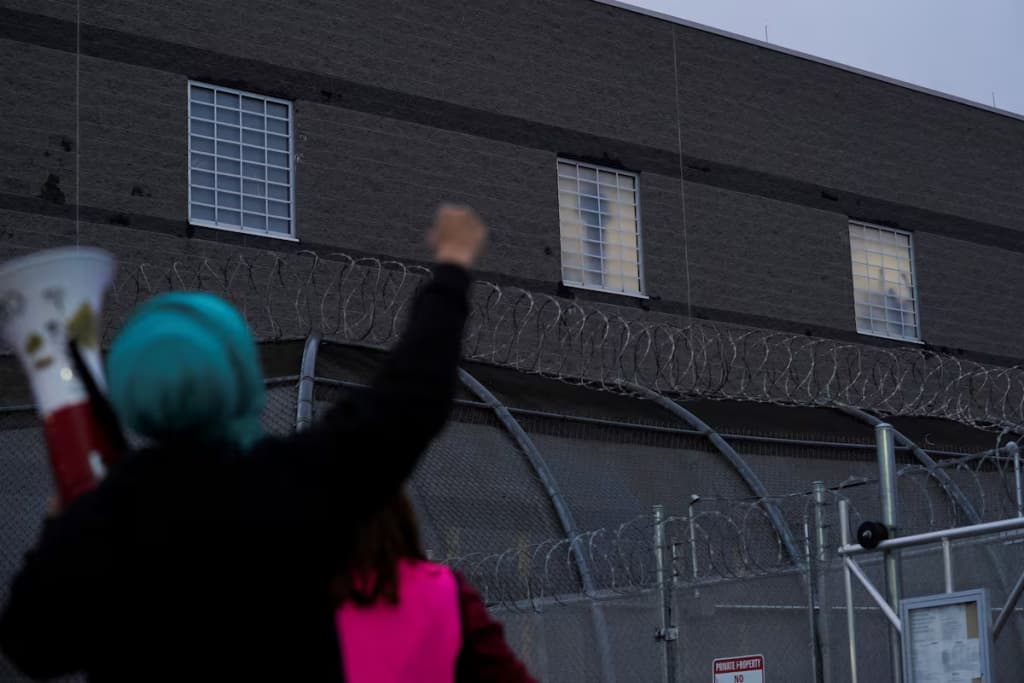
More than 300 migrants detained at the Delaney Hall detention center in the United States suspended their hunger strike on Monday, which they had maintained since late May. The protest had been initiated to demand improvements in detention conditions within the facility. The center, administered by the Geo Group company and under supervision of the Immigration and Customs Enforcement (ICE), is one of the largest on the East Coast. It has capacity to house almost 1,200 people. Although the detainees resumed eating, human rights organizations warn that their demands remain unanswered. The end of the hunger strike does not imply a resolution to the conflict.
Why did migrants initiate the hunger strike?
The protest began on May 22 as a measure to denounce conditions considered deficient. The migrants demanded improvements in food, adequate access to drinking water, and medical care. They also demanded an end to alleged mistreatment within the center. Among their requests were the release of sick people and minors in vulnerable situations. For several weeks, the hunger strike became a symbol of pressure within the migrant detention system. Activists and family members mobilized outside to bring attention to the situation.
What do activists denounce about the end of the protest?
Various organizations argue that the hunger strike ended under pressure. They point out that detainees faced threats of solitary confinement and disciplinary sanctions if they continued the measure. Sally Pillay, from the Eyes on ICE organization, indicated that many migrants gave up for fear of retaliation. The possibility of being sent to solitary confinement was a determining factor. Additionally, several participants were transferred to centers in different states. These transfers made communication with lawyers and family members difficult. The transfers included destinations such as Pennsylvania, Texas, California, and Arizona. This dispersion has generated concern among support networks.
How do visit restrictions affect families?
During the hunger strike, visits to the detainees were suspended. Subsequently, they were reinstated, but under stricter conditions that have generated criticism. Currently, only direct family members on authorized lists can enter. Visits are limited to two days a week and 30 minutes in duration. These restrictions have caused confusion among family members. In some cases, people who went to the center were turned away for not meeting the new requirements. An example occurred on Father’s Day, when dozens of family members could not enter. This situation has increased resentment among the detainees’ loved ones.
Obstacles that exist for external oversight
Organizations have also denounced limitations on legislative oversight. According to activists, detainees must sign documents before meeting with Congress members. These forms are available only in English, which hinders their understanding. Additionally, they must be submitted before the legislators’ visit. For human rights defenders, this requirement acts as a barrier. They believe it could discourage complaints about internal conditions. Lack of transparency is one of the main criticisms. Organizations insist on the need to guarantee effective oversight mechanisms.
What uncertainty exists about transferred migrants?
Recent transfers have raised concerns about the whereabouts of several detainees. Activists point out that there is no clear information about their current location. Amy Torres, from the New Jersey Alliance for Immigrant Justice, warned of multiple cases without follow-up. One involves a 20-year-old whose destination is unknown. These types of situations increase uncertainty among families. Many have remained outside the center for weeks demanding information. The lack of communication worsens the perception of opacity in the system. Organizations demand greater clarity about the
Canal oficial
Únete a nuestro canal de WhatsApp
Recibe las noticias más importantes al instante, sin spam. Solo lo que importa, cuando importa.
Etiquetas

Comentarios
Inicia sesión para comentar
Es gratis y toma un minuto. Con tu cuenta también podés:
- Comentar y participar en la conversación
- Guardar notas para leer después
- Ver tu historial de lectura
- Recibir el boletín con tus temas favoritos