



ALERT: Judge Limits Immigration Arrests Without Judicial Warrant in California
A federal judge limited immigration arrests without judicial warrants on September 2 in Southern California, requiring agents to evaluate the totality of circumstances before making arrests. The decision responds to a lawsuit filed by civil rights organizations, including the ACLU, challenging government practices during a surge in immigration raids.

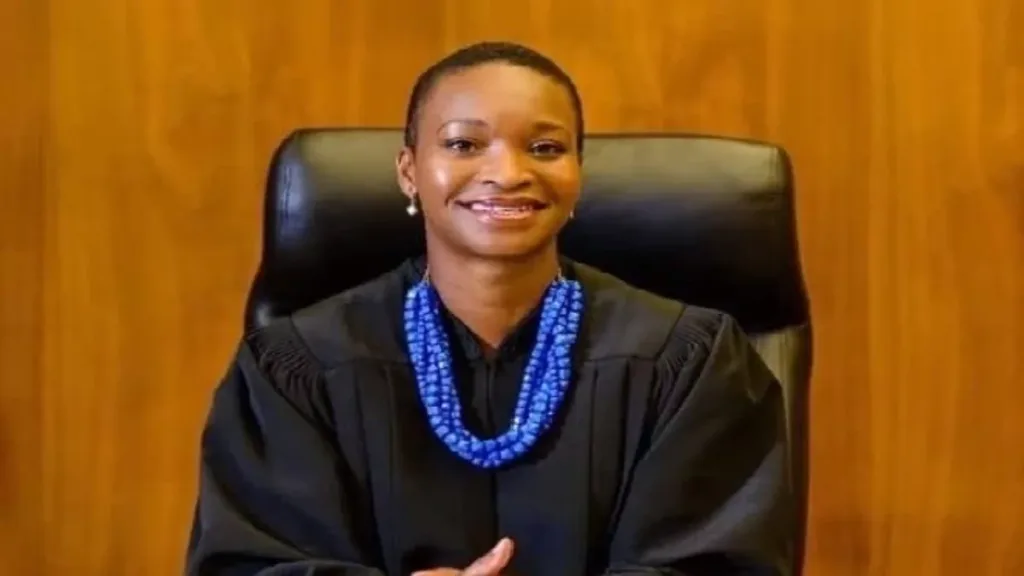
A federal judge limited immigration arrests without judicial warrants on September 2 in Southern California. The decision responds to a lawsuit filed in 2025 by civil rights organizations during a surge in raids in the region.
District Judge Maame Ewusi-Mensah Frimpong issued a preliminary order on September 2, made public Wednesday. In the document, she requires agents to evaluate the «totality of the circumstances» before arresting someone without a judicial warrant.
The legal framework behind warrantless arrests
Federal immigration law permits civil arrests without judicial warrants under specific conditions. Statute 8 U.S.C. § 1357(a)(2), part of the Immigration and Nationality Act, requires two elements.
An agent must have probable cause that the person is in the country without legal status. Additionally, the agent must have probable cause that the person is likely to flee before obtaining a judicial warrant.
Frimpong determined that the government has been ignoring that second requirement. According to her order, current practice evaluates flight risk only by irregular immigration status, or does not evaluate it at all.
The mere fact of being in the country without legal status is not enough to justify a warrantless arrest, the judge noted. She also ordered exhaustive documentation of probable cause before each arrest.
Who is behind the lawsuit
The lawsuit was filed by the American Civil Liberties Union, known as the ACLU. Public Counsel and immigrant advocacy groups from Los Angeles also participated. The order applies in the Central District of California.
That jurisdiction includes Los Angeles, Orange, Riverside, San Bernardino, Ventura, Santa Barbara, and San Luis Obispo counties. Much of the recent increase in immigration operations has been concentrated there.
The Department of Homeland Security, known as DHS, has not yet responded to a request for comment. The judge also rejected the government’s request to suspend the order while it appeals.
«Without this, the defendants cannot demonstrate that any arrest was appropriate,» Frimpong wrote in her ruling. The judicial officer was referring to the lack of documentation on flight risk.
A case included in the record illustrates the plaintiffs’ complaint. The government claimed that a person was «fleeing» from agents before being questioned.
But a video of the arrest showed the person walking at a normal pace and texting on their phone. Frimpong cited that footage as part of the evidence supporting her decision.
Department of Justice attorney Daniel Mummolo argued that there is no legal requirement to document each determination. He said different agents handle the process differently.
Mummolo cited a January 2026 memo from Todd Lyons, then interim director of the Immigration and Customs Enforcement Service, known as ICE. The document indicated that agents could evaluate the likelihood of flight «at the time» of the encounter.
Frimpong questioned that defense during the hearing. «You have not presented evidence from agents saying: yes, I didn’t write it down, but I did do it,» the judge responded, according to court records.
Plaintiffs’ attorney Laura Perry Stone explained that the memo requires two steps from agents. They must determine that the person will probably leave the location and that it is unlikely they will be found later at an identifiable place, such as their home or workplace.
This is not the first time a judge has halted these practices
Frimpong had already issued a similar temporary restraining order last year. The federal Supreme Court lifted it in September after the government appealed the measure.
In that decision, Justice Brett Kavanaugh noted that apparent ethnicity could be a relevant factor for a detention. He clarified that this is only if it is combined with other additional information about the person.
Federal judges in other jurisdictions reached conclusions similar to Frimpong’s. Courts in Portland, Colorado, Washington D.C. and the Eastern District of California have already blocked similar warrantless arrest practices.
Southern California ACLU attorney Mayra Joachin celebrated the new ruling. «This court order should put an end to hundreds of illegal arrests that continue throughout Southern California,» she stated.
Joachin added that the organization will closely monitor compliance with the measure. She hopes the federal government will comply with it as the appeals process moves forward.
For immigrant families in Southern California, the order does not eliminate the risk of an encounter with immigration agents. It does require that any warrantless arrest include a documented evaluation of flight risk.
Those seeking advice on their rights in the event of a possible immigration arrest can consult an immigration attorney or local legal defense organizations. The government’s appeals process will continue in the coming weeks.
Canal oficial
Únete a nuestro canal de WhatsApp
Recibe las noticias más importantes al instante, sin spam. Solo lo que importa, cuando importa.

Comentarios
Inicia sesión para comentar
Es gratis y toma un minuto. Con tu cuenta también podés:
- Comentar y participar en la conversación
- Guardar notas para leer después
- Ver tu historial de lectura
- Recibir el boletín con tus temas favoritos