



Alert for dreamers: DACA renewals drop 50%
DACA beneficiaries face one of the most uncertain moments since the program’s creation in 2012, with renewals dropping 50% while a legal battle in Texas threatens work permits for thousands of young undocumented immigrants known as dreamers.

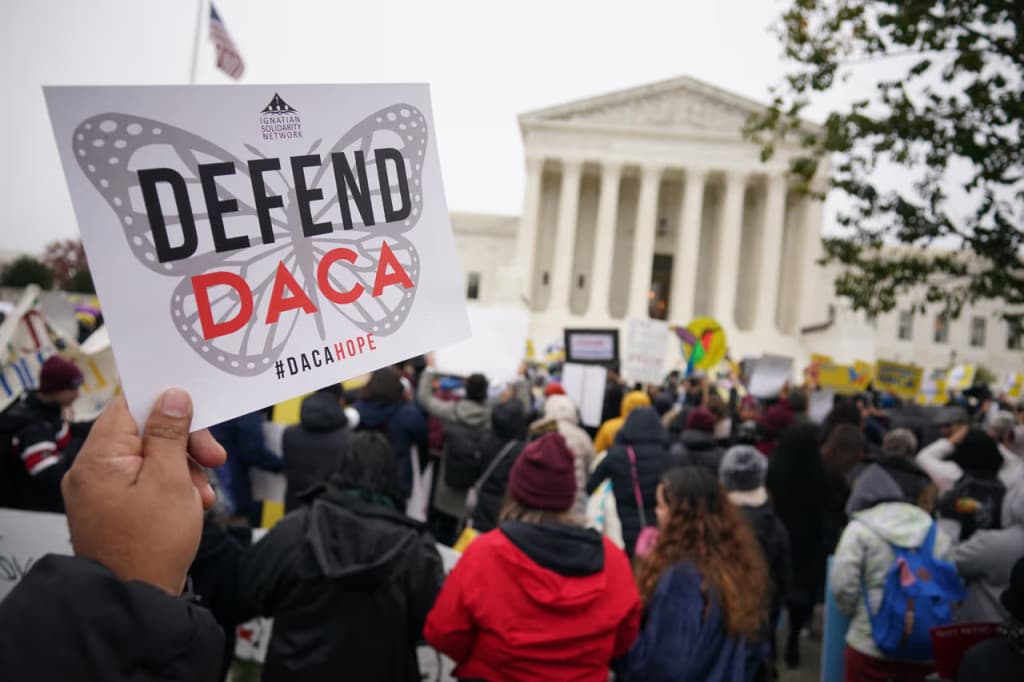
DACA beneficiaries face one of the most uncertain moments since the program’s creation in 2012. The decline in renewals processed by the U.S. Citizenship and Immigration Services (USCIS) is concerning thousands of families.
Adding to this reduction is a legal battle in Texas. The lawsuit could directly affect work permits for thousands of undocumented young people known as dreamers. Legal uncertainty combines with serious administrative failures.
According to an analysis by Forum Together, USCIS completed 35,648 renewals during the first quarter of fiscal year 2026. That figure represents a drop of nearly 50% compared to the same period the previous year. Back then, approximately 70,000 applications were processed.
Fewer renewals and more delays
Official figures show a concerning trend for the program. As of December 31, 2025, there were 495,320 active DACA beneficiaries. A year earlier, the figure reached 533,280 registered.
According to Forum Together, some beneficiaries managed to obtain residency through other means. Among these stand out marriage to U.S. citizens or work visas. However, a large part of the decline is due to growing administrative delays.
Processing times have skyrocketed alarmingly over the past year. In fiscal year 2025, they averaged just 15 days of waiting. Now they can extend between 70 days to as long as six months.
Delays that leave dreamers without work
Each delayed renewal represents a real risk for program beneficiaries. It can temporarily leave them without authorization to work legally. They also lose protection against deportation during that period.
The May report from Forum Together documented specific cases of this problem. It noted that several recipients lost their jobs due to delays. Others were forced to stop working while awaiting a response.
Additionally, there is a complete freeze for certain beneficiaries based on their country of origin. Renewals are frozen for people from 39 countries subject to travel restrictions. Nations such as Haiti, Nigeria, and Venezuela were directly affected by this measure.
Texas could change DACA’s future
Another source of uncertainty comes from the Texas vs. United States litigation. The case is still awaiting a new ruling from federal judge Andrew Hanen. As of July 1, 2026, the judge had not issued a modified order.
The Fifth Circuit Court of Appeals already determined that protection against deportation can be maintained. However, it left open the possibility of eliminating work permits. This restriction would apply specifically to beneficiaries residing in Texas.
Currently, that state has 82,410 DACA beneficiaries in its territory. It is the second highest figure in the country, behind only California. Thousands of Texas dreamers could retain immigration protection, but lose their work authorization.
Consequences beyond dreamers
This scenario would not only affect direct program beneficiaries. It would also impact employers who depend on this workforce. Local Texas economies would feel the blow of losing authorized workers.
Additionally, the Immigration Appeals Board issued a relevant decision in April. It determined that having DACA is not sufficient to stop deportation proceedings. This ruling sets precedent for immigration judges across the country.
Democratic legislators have expressed concern over this combination of factors. A coalition of senators called on Congress and the White House for a permanent solution. They warned that the current situation is unsustainable for hundreds of thousands of families.
Congress, the only permanent solution
The Forum Together report underscores a central point about the program. DACA remains temporary and depends on changing judicial and administrative decisions. It offers no path toward permanent residency or citizenship.
President Donald Trump declared in January 2026 that beneficiaries «should feel safe.» He also expressed his willingness to work with Congress on a solution. To date, no immigration reform has been enacted that grants permanent status.
The 2025 Dream Act proposes a conditional path toward permanent residency. It could potentially benefit up to 2.5 million dreamers across the country. However, the initiative has failed to advance in the current Senate.
A wait that continues
For experts, only legislation approved by Congress can provide stability. Dreamers have been living, studying, and working in the United States for nearly two decades. Many arrived in the country as children and know no other home.
Meanwhile, administrative delays and legal uncertainty continue to generate anxiety. Each month that passes without a legislative solution increases the vulnerability of these families. The dreamer community continues to wait for a definitive response from Congress.
Canal oficial
Únete a nuestro canal de WhatsApp
Recibe las noticias más importantes al instante, sin spam. Solo lo que importa, cuando importa.
Etiquetas

Autor
Anthony AstonitasDesarrollador de Software 12 años de experiencia
Comentarios
Inicia sesión para comentar
Es gratis y toma un minuto. Con tu cuenta también podés:
- Comentar y participar en la conversación
- Guardar notas para leer después
- Ver tu historial de lectura
- Recibir el boletín con tus temas favoritos