



Advance parole: new ruling may activate 10-year penalty for unlawful presence
The U.S. Board of Immigration Appeals overturned a 12-year-old precedent, ruling that traveling with advance parole authorization counts as a departure that can trigger a 10-year re-entry bar for immigrants who accumulated one or more years of unlawful presence. The new decision in Matter of Delcarmen-Lara applies prospectively and may significantly impact DACA recipients and others with pending immigration applications.

Anthony Astonitas
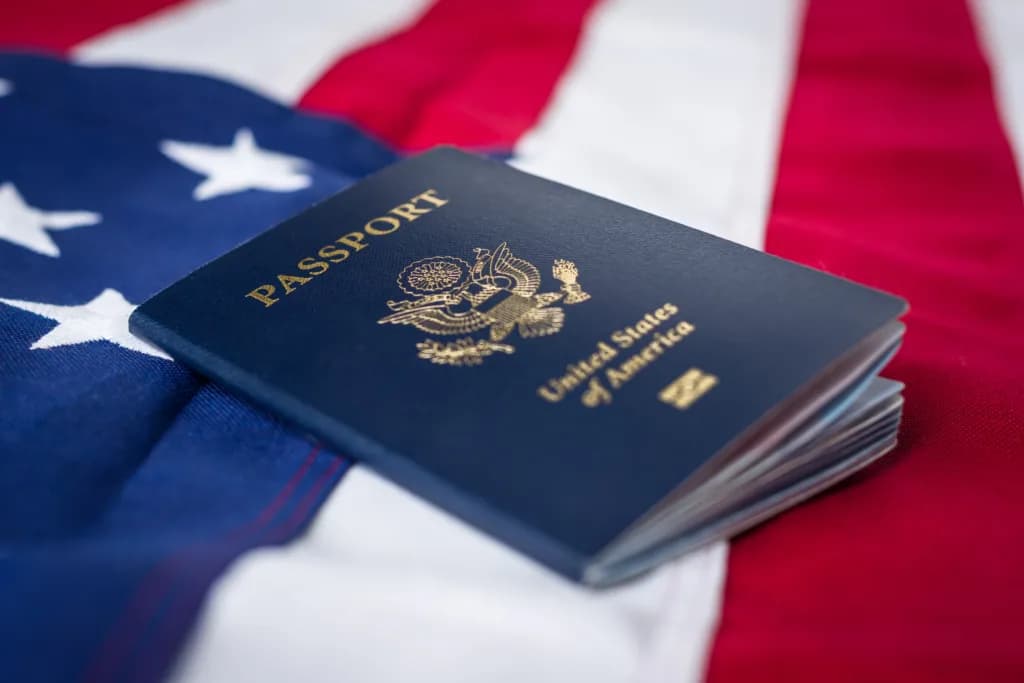
Advance parole: new ruling may activate 10-year penalty for unlawful presence
The U.S. Board of Immigration Appeals changed a legal protection that for over a decade had allowed some immigrants to travel with advance parole without their departure being considered a «departure» for purposes of penalties related to unlawful presence.
In the decision Matter of Delcarmen-Lara, issued on August 13, 2026, the Board determined that departing the United States with advance parole authorization does count as a departure under section 212(a)(9)(B)(i)(II) of the Immigration and Nationality Act.
The interpretation may affect people who accumulated one year or more of unlawful presence before traveling. Because the consequences depend on each individual’s immigration history, the following information does not substitute for personalized legal evaluation.
What changed with the Delcarmen-Lara decision?
Since 2012, the precedent known as Matter of Arrabally and Yerrabelly established that temporary travel authorized through advance parole was not considered a departure to trigger certain prohibitions related to unlawful presence.
The new decision expressly overturns that precedent. The Board concluded that the law contains no exception that excludes from the concept of «departure» people who travel with advance parole.
The official Department of Justice decision states that a person may become subject to inadmissibility as a consequence of travel authorized through this document.
This does not mean that all advance parole beneficiaries will automatically receive a penalty or that the document has ceased to exist. The effect depends, among other factors, on how much unlawful presence the person accumulated before departing and on any waivers or forgiveness that might apply.
Who could face the 10-year penalty?
The section examined by the Board refers to people who:
- Accumulated one year or more of unlawful presence in the United States.
- Subsequently departed the country.
- Seek to be admitted again within the following 10 years.
Under the previous interpretation, travel authorized with advance parole did not trigger that specific consequence. Now, the Board maintains that such travel can constitute the departure that activates the prohibition.
The analysis may be especially important for some people with DACA, pending residency applications, or other immigration processes who obtained travel authorization after accumulating unlawful presence. However, belonging to one of these categories does not by itself determine the outcome.
A distinction must also be made between being «out of status» and accumulating «unlawful presence.» These are related legal concepts, but not equivalent.
The decision will apply going forward
The Board itself acknowledged that it was modifying a precedent that had been in place for years and decided to apply the new interpretation prospectively.
For that reason, it did not use the new standard to find the person in the case inadmissible for the travel they had undertaken in 2024. The decision also does not establish that all previous travels with advance parole must be automatically reexamined under the new rule.
Nonetheless, people who are already outside the United States, have upcoming travel, or previously used a travel permit should consult their situation with an immigration attorney. The departure date, history of unlawful presence, a possible deportation order, and immigration category can change the analysis.
What should those planning to travel do?
Before departing the United States with advance parole, it is advisable to:
- Request a complete review of immigration history with an accredited attorney.
- Confirm whether periods of unlawful presence existed before filing the current application.
- Review deportation orders, previous entries, rejected applications, and possible grounds of inadmissibility.
- Keep copies of the travel authorization and all case documents.
- Do not rely solely on experiences posted on social media.
It is not advisable to cancel or undertake travel based exclusively on general information. The new precedent is recent and its application may generate new administrative instructions or litigation.
To follow related coverage, consult the Immigration section of Nueva News, the report on ICE arrest records, and information on Trump Accounts for children of migrants.
Canal oficial
Únete a nuestro canal de WhatsApp
Recibe las noticias más importantes al instante, sin spam. Solo lo que importa, cuando importa.

Autor
Anthony AstonitasDesarrollador de Software 12 años de experiencia
Comentarios
Inicia sesión para comentar
Es gratis y toma un minuto. Con tu cuenta también podés:
- Comentar y participar en la conversación
- Guardar notas para leer después
- Ver tu historial de lectura
- Recibir el boletín con tus temas favoritos