



5 Keys to the New USCIS Public Charge Rule That Has Already Taken Effect
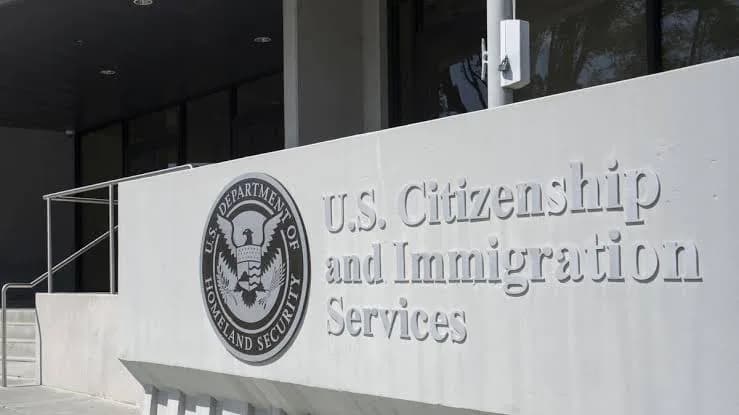
USCIS’ new public charge rule takes effect on September 18, 2026, replacing regulations in place since 2022 and changing how applicants are evaluated for potential public charge status. The rule introduces a five-factor analysis considering age, health, family situation, assets, and education, while expanding the types of public benefits reviewed and providing exemptions for certain immigrant categories.

When does the new rule take effect?
The new USCIS rule takes effect on September 18, 2026. That day will change how it is determined if an applicant could become a public charge.
The Department of Homeland Security (DHS) announced this rule on July 16, 2026. Subsequently, it was published in the Federal Register on July 20.
With this, the new regulation replaces the public charge regulations in effect since 2022. It will apply to Form I-485 applications submitted from the effective date.

However, the measure may not apply immediately. Several states have filed a lawsuit that could result in a court suspension order.
Who does this ground of inadmissibility apply to?
Not all status adjustment applicants are subject to this rule. The law establishes specific categories and exemptions for certain cases.
Those subject to the rule include family members of citizens, workers, investors, and religious workers. It also applies to immigrants with diversity visas and certain foreign witnesses.
In contrast, there are numerous legal exceptions. Asylees, refugees, special immigrant youth, and human trafficking victims are exempt, for example.
Also excluded are applicants for temporary protected status. Likewise, those who avail themselves of the Violence Against Women Act are excepted.
What five factors will USCIS evaluate?
The evaluation will not depend on a single economic data point of the applicant. The law requires that USCIS analyze five factors personal to each case.
These factors are the applicant’s age, health, and family situation. Their assets and resources are also evaluated, along with their education and skills.
Additionally, officers may consider other individual circumstances relevant to each case. The Form I-864, Affidavit of Support, may also be taken into account.
USCIS clarified that it will review all available evidence in the file. Therefore, each decision will be made case by case.
What public benefits will be taken into account?
One of the central changes affects certain public benefits subject to means testing. This point generates doubts among many applicants.
For benefits received before September 18, 2026, the rule is more limited. Only cash assistance or long-term institutionalization will be considered.
In contrast, for benefits received after that date, USCIS will expand its analysis. It will include housing assistance, food stamps, and university financial aid.
However, receiving one of these benefits does not by itself determine the outcome. USCIS indicated that it will evaluate the totality of each person’s circumstances.
In what cases can a bond be posted?
The new rule also contemplates the possibility of a public charge bond. This option applies in very specific situations.
If an officer deems someone inadmissible based solely on this ground, they can invite them to post a bond. This functions as a financial guarantee to the agency.
Payment can be made through a cash deposit with USCIS. It can also be arranged through a company certified by the U.S. Treasury.
The amount will depend on the government assistance the person could receive. Additionally, the applicant cannot request the bond on their own initiative.
What really changes starting September 18?
In general, the rule modifies how USCIS analyzes the public charge ground of inadmissibility.
Canal oficial
Únete a nuestro canal de WhatsApp
Recibe las noticias más importantes al instante, sin spam. Solo lo que importa, cuando importa.

Comentarios
Inicia sesión para comentar
Es gratis y toma un minuto. Con tu cuenta también podés:
- Comentar y participar en la conversación
- Guardar notas para leer después
- Ver tu historial de lectura
- Recibir el boletín con tus temas favoritos