




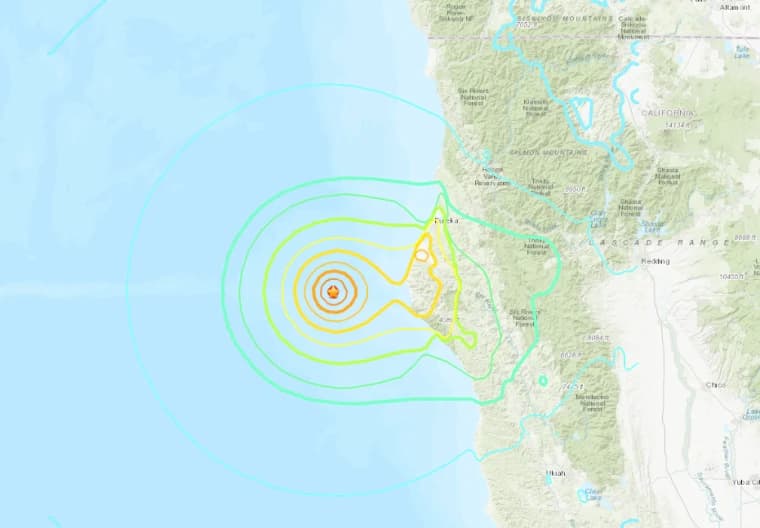
After putting together a family plan and an emergency backpack, as recommended by the Earthquake Readiness Guide, the next step is knowing how to act when an earthquake occurs. Earthquakes in California can happen without warning.
That’s why knowing protective measures depending on where you are can make a difference. A quick and safe reaction reduces the risk of injury and protects your life and that of your family.
For California’s Hispanic community, this information is no minor detail. Thousands of families live near active fault lines and need clarity on what to do in a matter of seconds.
The Main Rule: «Drop, Cover and Hold On»
California authorities recommend practicing the «Drop, Cover and Hold On» technique before an earthquake occurs. Practicing it in advance helps your body react almost by instinct.
If you use a wheelchair or other mobility device, the recommendation changes slightly. In that case, the technique is called «Lock, Cover and Hold On.»
Most importantly, in either case, is protecting your head and neck. You should remain where you are until the ground motion completely stops.
What to Do Depending on Where You Are?
The correct behavior during an earthquake changes depending on your surroundings. These are the official recommendations for the most common scenarios.
If you are inside a home or building, drop and cover under a sturdy table or desk. Hold on firmly. If there is no table nearby, position yourself against an interior wall. Do not run or try to leave while the shaking continues.
If you are driving, reduce speed and stop in a safe location. Engage the parking brake and remain inside the vehicle until the earthquake stops.
If you are outdoors, drop, cover and hold on to protect yourself from flying objects. Stay away from buildings, trees, poles, electrical wires, traffic signs and vehicles.
If the earthquake occurs while you are sleeping, do not get up. Position yourself face down, protect your head and neck with a pillow and stay there until the shaking stops.
Why Shouldn’t You Run During an Earthquake?
The instinct of many people is to run as soon as they feel the first movement. However, that reaction can be more dangerous than staying in place.
The Earthquake Readiness Guide explains that moving while the ground shakes increases the risk of falls. It also increases the chance of being hit by glass, furniture or other objects that fall.
For that reason, the recommendation is to take shelter where you are, as long as the location is safe. Attempting to leave the building during shaking is usually riskier than staying protected.
If you feel an earthquake or receive a seismic alert, act immediately. Following these protective measures can significantly reduce the risk of serious injury.
Practicing Beforehand Can Make a Difference
Preparation doesn’t end with knowing the theory. The Earthquake Readiness Guide encourages families to practice these actions in advance. That way, everyone will know how to react when a real earthquake occurs.
Rehearsing the «Drop, Cover and Hold On» technique several times a year helps cement the movement in muscle memory. Identifying the safest places within your home is also key.
Knowing what to do in different scenarios, from the car to bed, allows you to respond more quickly. That speed can be decisive in the first seconds of an earthquake.
Other Tools to Protect Your Family
These immediate response measures complement other recommendations from the Earthquake Readiness Guide. Comprehensive preparation requires several additional steps before an emergency occurs.
Creating a family plan is the first step. This plan should include a meeting point and a contact person outside the affected area, in case local communication is interrupted.
Preparing a Go-Bag, or emergency backpack, with water, non-perishable food, medications and important documents is equally essential. Having a Stay-Box at home with supplies for several days is also fundamental.
Finally, using tools like the MyShake app allows you to receive early warnings when available. These additional seconds of notice may be enough to adopt a protective position before strong shaking arrives.
Earthquake preparedness does not eliminate risk, but it does reduce its consequences. Practicing, staying informed and having a clear plan remains the best defense for California’s Hispanic families.
Reviewing this plan periodically is also important. Contact numbers, supply locations and each family member’s needs may change over time.
Talking about the topic with children and seniors, without generating excessive fear, helps everyone participate in the plan. Calm and information are the best tools for earthquake safety.
Canal oficial
Únete a nuestro canal de WhatsApp
Recibe las noticias más importantes al instante, sin spam. Solo lo que importa, cuando importa.

Autor
Anthony AstonitasDesarrollador de Software 12 años de experiencia
Comentarios
Inicia sesión para comentar
Es gratis y toma un minuto. Con tu cuenta también podés:
- Comentar y participar en la conversación
- Guardar notas para leer después
- Ver tu historial de lectura
- Recibir el boletín con tus temas favoritos