




The Fourth of July holiday weekend has triggered health alarms across the United States. Medical authorities are urging extreme caution when consuming fresh berries, red fruits, or green salads. This is due to the spread of a parasite called Cyclospora. This microorganism contaminates raw fruits and vegetables, causing severe and prolonged stomach infection. Currently, cases are multiplying rapidly across multiple regions of the country.
Between May 1 and June 16, the Centers for Disease Control and Prevention (CDC) recorded 145 official cases. These infections are distributed across 17 states nationwide. At least 20 of the affected patients developed severe complications requiring immediate hospitalization. The federal agency warned that although infections typically rise in summer, the current surge is unusually marked and concerning.
However, local figures suggest the real impact could be much greater. The state of Michigan, which typically reports around 50 cases annually, registered 170 infections in just nine days. These outbreaks are concentrated in seven specific counties, according to state Health Department data. Meanwhile, New York State, excluding its dense capital, has already recorded 107 cases since May.

How is cyclosporiasis transmitted and which foods carry the greatest risk?
Public health officials clarified that there is still no evidence of a single unified multistate outbreak. Epidemiological investigations remain active to precisely identify infection sources. Cyclosporiasis originates from a single-celled parasite transmitted through fecal-oral contact. The microorganism reaches food when agricultural crops are irrigated with water contaminated with human waste.
The humid and warm environment of crop fields facilitates the parasite multiplying rapidly on plants. Dr. David Freeman, professor emeritus at the University of Alabama at Birmingham, explained this biological dynamic. The specialist detailed that the parasite is typically a classic problem for international travelers. However, patients currently under investigation reported no travel outside the country before becoming ill.
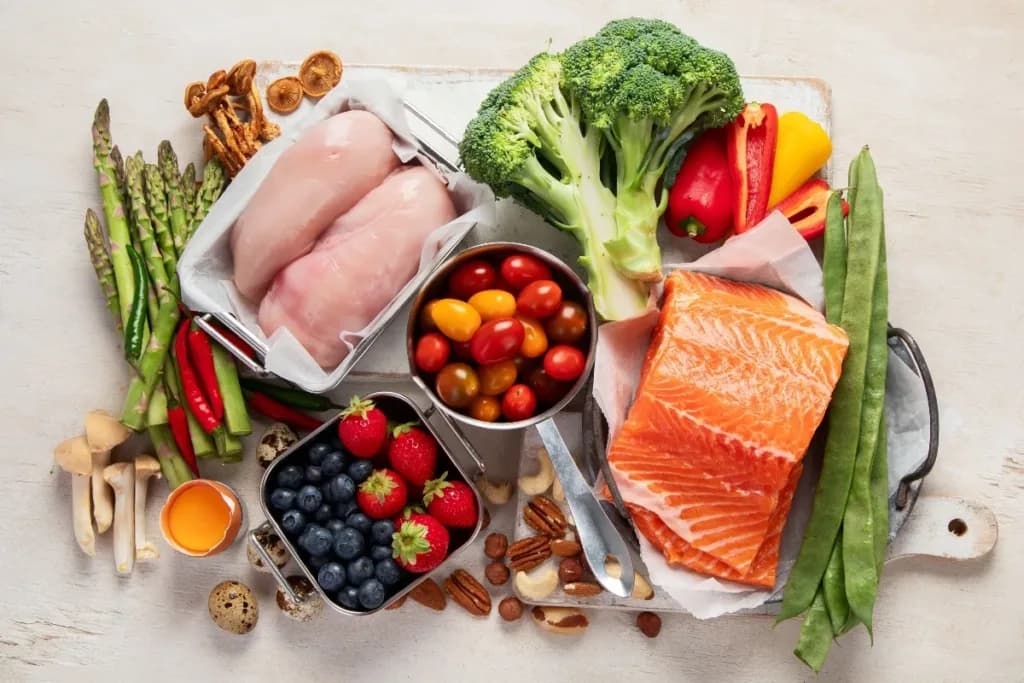
Although no specific product has been identified, Dr. Freeman identified two historically high-risk categories. The first encompasses fresh herbs such as cilantro and basil, frequently used in raw salads. The second category includes red berries and field fruits, such as strawberries, blueberries, and melons. Since the parasite dies with heat, cooking food eliminates the threat effectively at its root.
| Food Category | Common Examples | Risk Mechanism |
| Herbs and Garnishes | Cilantro, basil | Consumed raw and retain moisture on their leaves |
| Field Fruits | Strawberries, blueberries, melons | Grow close to the ground and absorb direct irrigation water |
What are the effective hygiene measures to combat this microorganism?
When summer temperatures rise, people avoid turning on the stove and consume more fresh foods. It is in this culinary context where the microorganism finds its best opportunity to infect consumers. To prevent illness, authorities insist on thoroughly washing all agricultural products before serving them. Vigorous washing with abundant running water is essential to mechanically remove parasites.
It is also crucial to constantly disinfect hands, kitchen countertops, and cutting boards. However, Dr. Freeman warned that common bleach is not capable of killing Cyclospora. Commercial disinfectant wipes will not be effective if used
Canal oficial
Únete a nuestro canal de WhatsApp
Recibe las noticias más importantes al instante, sin spam. Solo lo que importa, cuando importa.

Autor
Anthony AstonitasDesarrollador de Software 12 años de experiencia
Comentarios
Inicia sesión para comentar
Es gratis y toma un minuto. Con tu cuenta también podés:
- Comentar y participar en la conversación
- Guardar notas para leer después
- Ver tu historial de lectura
- Recibir el boletín con tus temas favoritos