



Trump Announces New Tariffs Up to 12.5%
President Donald Trump will proceed with new double-digit tariffs against dozens of trading partners, imposing duties between 10% and 12.5% on imports from 60 countries representing 99% of U.S. imports, citing inadequate enforcement of forced labor prohibitions. The measure takes effect as temporary tariffs expire following a Supreme Court defeat.

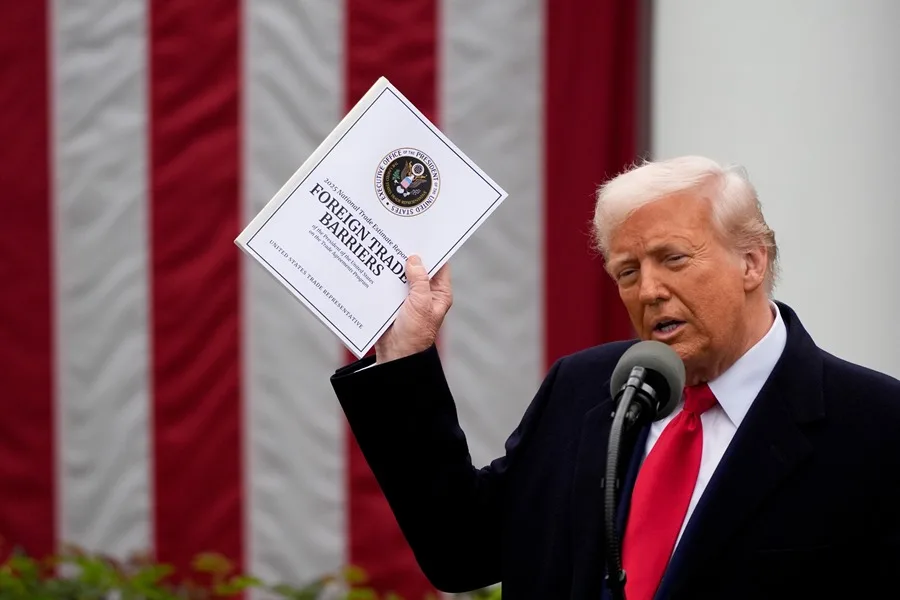
President Donald Trump will move forward with new double-digit tariffs against dozens of trading partners. The measure takes effect just as temporary tariffs imposed following a Supreme Court defeat expire. The United States will impose tariffs of between 10% and 12.5% on imports from 60 countries. These nations represent 99% of the total imports currently received by the United States. The Government argued that these countries have not adequately enforced prohibitions on products made with forced labor. This argument constitutes the primary legal basis for justifying the new trade duties.
A shift in legal strategy following judicial setback
The new tariffs will take effect just as temporary 10% global tariffs expire. This expiration will occur at 12:01 a.m. on Friday as established. Trump had resorted to those temporary tariffs after the Supreme Court struck down his more ambitious duties last February. Now, the president is betting on a different and more durable legal mechanism. The president is turning to Section 301 of the Trade Act of 1974. This regulation allows imposing taxes against countries that engage in trade practices considered unjustifiable or discriminatory.
Section 301 has already withstood previous legal challenges
Trump used this same legal section to impose high tariffs on China during his first presidential term. At that time, the measure managed to withstand various legal challenges filed against it. The office of the U.S. Trade Representative also initiated a parallel investigation into 16 specific countries. These nations represent 70% of current U.S. imports. The investigation seeks to determine whether these countries have overproduced, causing price drops that affect U.S. companies in global markets.
The origin of the dispute: the Supreme Court revocation
Trump argues that high tariffs will help revitalize U.S. manufacturing. Last year, he reversed decades of trade policy favoring lower tariffs and free trade. By invoking the International Economic Emergency Powers Act, he imposed double-digit tariffs on virtually every country in the world. He argued at the time that the trade deficit constituted a national emergency. However, the Supreme Court ruled that this law did not actually authorize this type of tariff. The decision forced the Government to pay refunds to importers affected by the original measure.
A legal deadline that forces a new strategy
In response to this ruling, Trump announced a 10% global tariff under Section 122 of the Trade Act. However, this section only allows tariffs to be applied for a maximum of 150 days. That deadline expires precisely this Friday, which forced the Government to seek a new legal mechanism. Therefore, the administration now resorted to Section 301 to keep its tariff policy in effect. A senior Government official, who spoke on condition of anonymity, explained that some countries have already strengthened their rules against forced labor.
India achieves reduction in initial tariff
According to the official cited, the tariff on imports from India was initially set at 12.5%. However, after strengthening its enforcement mechanisms, the final rate was reduced to 10%. Some specific products are exempt from these new tariffs announced on Thursday. Among them are oil, gas, and fertilizers, considered strategic for the U.S. economy. Also exempt are products that meet the requirements for tariff-free status under the USMCA, the trade agreement negotiated by Trump during his first term.
Political risk before midterm elections
Tariffs are paid directly by U.S. companies that import foreign products. These importers typically pass the additional cost on by charging higher prices to consumers. Americans already face frustration over high cost of living in recent months. Therefore, the Government assumes considerable political risk by implementing these tariffs before November elections. Political analysts believe this decision could generate significant electoral consequences for the ruling party in the upcoming legislative elections.
Experts debate the measure’s real effectiveness
Human rights observers note that it is reasonable to be skeptical about the true motivation behind these tariffs. However, they recognize that they could have a positive impact in fighting global forced labor.
«We have been publicly advocating for import prohibitions for years,» explained Martina Vandenberg, president of the Center to Combat Human Trafficking. The specialist clarified that she does not view this tool as a magic solution.
Vandenberg urged that tariffs be implemented gradually. According to her explanation, countries need sufficient time to develop effective compliance mechanisms.
Comparison with Uyghur forced labor prevention law
Kenya Davis, partner at Boies Schiller Flexner law firm, noted that the Uyghur Forced Labor Prevention Act represents the most important legislative precedent in this matter. This law fe
Canal oficial
Únete a nuestro canal de WhatsApp
Recibe las noticias más importantes al instante, sin spam. Solo lo que importa, cuando importa.

Comentarios
Inicia sesión para comentar
Es gratis y toma un minuto. Con tu cuenta también podés:
- Comentar y participar en la conversación
- Guardar notas para leer después
- Ver tu historial de lectura
- Recibir el boletín con tus temas favoritos