



States Raise Minimum Wage in July: See If You Benefit
Starting July 1st, thousands of workers across the United States received good news as several cities, counties, and states raised their hourly minimum wages. According to the Economic Policy Institute, more than 361,000 workers will receive salary increases this summer, with cities like Chicago, Los Angeles, and San Francisco leading the charge.

Anthony Astonitas
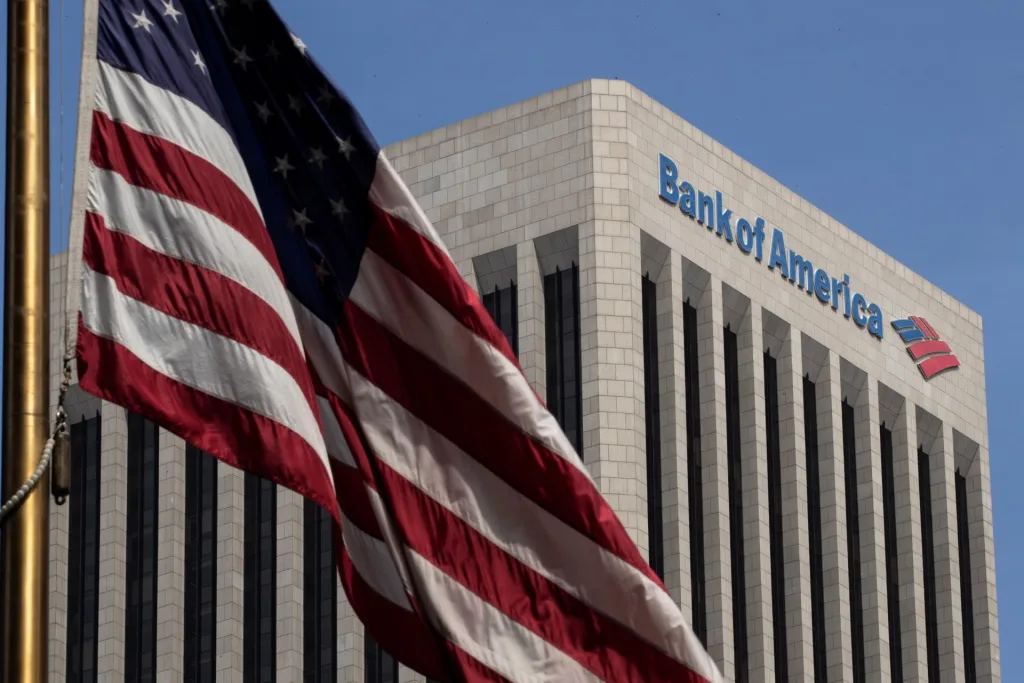
Starting Wednesday, July 1st, thousands of workers in the United States received good news. Several cities, counties, and states raised the hourly minimum wage in their jurisdictions. The adjustment benefits employees in different sectors and types of contracts. More than 361,000 workers will receive a salary increase this summer, according to the Economic Policy Institute.
The cities leading the increases are Chicago, Los Angeles, and San Francisco. At the state level, changes took effect in Alaska, Oregon, and Washington DC. Each jurisdiction applied its own adjustment formula according to its economic reality. The result is a wage map that varies considerably depending on where you work.
This type of adjustment reflects a sustained trend in recent years. Local governments have assumed responsibility for updating wages amid federal inaction. The federal minimum wage has gone unchanged for years in the United States. Therefore, cities and states have taken the initiative to protect their workers’ purchasing power.
Chicago, Los Angeles, and San Francisco Lead the Increases
In Chicago, known as the Windy City, the increase was notable. The hourly minimum wage rose from $16.60 to $17.05 for companies with four or more employees. The overtime rate also increased, rising from $24.90 to $25.58 per hour. Employees who receive tips were not left out of the adjustment.
For tipped workers in Chicago, compensation increased from $12.62 to $12.96 per hour. Their overtime hours also went up, now set at $21.49. This stepped increase seeks to protect the most vulnerable workers in the service sector. Servers, bartenders, and delivery drivers are among those who benefit most from this change.
In Los Angeles County, the minimum wage was set at $18.47 per hour. County authorities clarified that the right applies to any worker who works at least two hours per week in unincorporated areas. This clarification is important for those with jobs in multiple locations. The rule guarantees protection even for sporadic work in that jurisdiction.
San Francisco and Other California Cities Also Make Moves
San Francisco continues to be one of the cities with the highest minimum wage in the country. Starting July 1st, the hourly amount rose from $19.18 to $19.61. The increase applies to both part-time employees and temporary workers. No one is excluded from the adjustment within city limits.
Other California localities also updated their minimum wage rates this July. Malibu set its minimum wage at $17.91 per hour. Pasadena established it at $18.57, while Santa Monica reached $18.47. These figures were compiled by the Economic Policy Institute and reflect the diversity of criteria applied by each municipality.
California remains the state with the largest number of jurisdictions that independently update their wages. This practice responds to enormous differences in the cost of living between its cities. What is sufficient in Fresno may be inadequate in San Francisco or Los Angeles. Therefore, local adjustments have become an indispensable tool for workers in the state.
Alaska, Oregon, and Washington DC Complete the Map of Increases
At the state level, Alaska took a significant step on July 1st. The minimum wage rose from $13 to $14 per hour, an increase of a full dollar. This figure represents a 7.7% increase from the previous amount. For workers in the nation’s most northern state, the change is welcome.
Oregon applied a differentiated model based on the worker’s geographic location. In the Portland metropolitan area, the minimum wage increased from $16.30 to $16.80 per hour. For workers classified as "standard," the increase was from $15.05 to $15.55. And in non-urban areas, it rose from $14.05 to $14.55 per hour.
The Oregon government facilitates the consultation of this data through an interactive map on its official website. This tool allows workers to precisely identify their minimum compensation according to their location. It is an example of transparency that other states could replicate. Clarity in this data helps reduce abuse and misunderstandings between employers and employees.
Washington DC Adjusts Its Wage With an Eye to the Future
In the nation’s capital, the adjustment also took effect on July 1st. The minimum wage rose from $17.95 to $18.40 per hour for all workers. The change applies regardless of the employer company’s size. This universality is one of the most notable aspects of the local rule.
The increase was established by law signed by Mayor Muriel Bowser. The legislation also includes an automatic update mechanism for coming years. Future increases will be calculated in proportion to increases in the Consumer Price Index. This means the minimum wage in DC will adjust periodically without the need for new legislation.
The Economic Policy Institute underscored the importance of these local measures. It considers that policymakers should use the minimum wage to address
Canal oficial
Únete a nuestro canal de WhatsApp
Recibe las noticias más importantes al instante, sin spam. Solo lo que importa, cuando importa.

Autor
Anthony AstonitasDesarrollador de Software 12 años de experiencia
Comentarios
Inicia sesión para comentar
Es gratis y toma un minuto. Con tu cuenta también podés:
- Comentar y participar en la conversación
- Guardar notas para leer después
- Ver tu historial de lectura
- Recibir el boletín con tus temas favoritos