



Oil Price Rises Again Due to Middle East Crisis
International oil prices rose Wednesday following military escalation between the United States and Iran, with Brent crude climbing 0.9% to $92.30 per barrel. The military conflict has reignited concerns about maritime transit through the Strait of Hormuz, a critical global energy trade route.

Anthony Astonitas
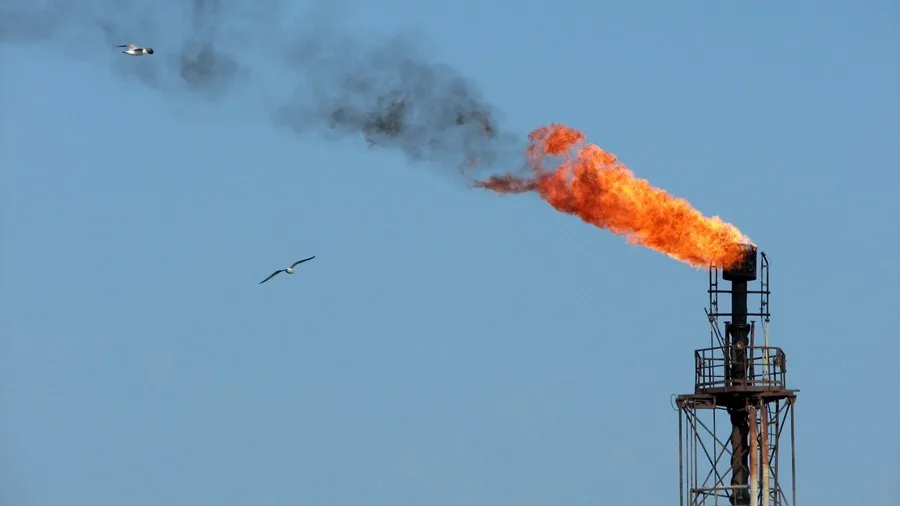
International oil prices rose again Wednesday following cross-attacks between the United States and Iran. The military escalation reignited doubts about normalizing maritime transit through the Strait of Hormuz. This route is one of the main pathways for global energy commerce.
Brent crude, the international benchmark, rose 0.9% and closed at $92.30 per barrel. According to the CNN network, West Texas Intermediate (WTI), the U.S. benchmark, advanced 1% to $89.04. The increase reflected market concerns about the conflict and its impact on maritime transit.
Before the war began in late February, Brent traded near $70 per barrel. Since then, volatility in energy markets intensified due to risks to global supply. Difficulties in ensuring free vessel circulation increased in the strait.
What Triggered the New Escalation Between the United States and Iran?
Tensions increased after the U.S. military carried out attacks early Wednesday morning. The attacks occurred following the crash of a military helicopter near the Strait of Hormuz. President Donald Trump directly attributed the incident to Iran.
From Tehran, the Islamic Revolutionary Guard Corps (IRGC) confirmed the launch of missiles. They also confirmed drones against U.S. targets in the region during the early morning hours. The IRGC is the key military force that answers to Iranian government decisions.

The new escalation raised doubts about the possibility of reaching a lasting solution to the conflict. It again elevated investor concerns about the impact that a prolonged war could have. Global energy commerce faces significant risks from the maritime blockade.
Rising oil prices again became the main focus of attention for investors. Markets are closely watching upcoming U.S. inflation data. A prolongation of high energy prices could translate into production costs.
The impact on production costs would complicate global economic outlook. Household consumption could decline due to rising fuel prices. Emerging economies face greater pressure from increased energy costs. Meanwhile, Asian stock markets closed mostly lower. Geopolitical uncertainty affected markets along with a new wave of technology stock sales. Tensions in the Middle East have a direct impact on global financial markets.
How Does the Crisis Affect Oil and Global Economies?
Canal oficial
Únete a nuestro canal de WhatsApp
Recibe las noticias más importantes al instante, sin spam. Solo lo que importa, cuando importa.

Autor
Anthony AstonitasDesarrollador de Software 12 años de experiencia
Comentarios
Inicia sesión para comentar
Es gratis y toma un minuto. Con tu cuenta también podés:
- Comentar y participar en la conversación
- Guardar notas para leer después
- Ver tu historial de lectura
- Recibir el boletín con tus temas favoritos