



Gasoline in the U.S. Falls to $3.90: Will Prices Continue Declining?
The average price of gasoline in the U.S. fell to $3.92 per gallon and hit its lowest level in more than a month, providing relief to drivers, though experts warn that further declines are not guaranteed as fuel prices remain dependent on crude oil, the Strait of Hormuz, and inflation.

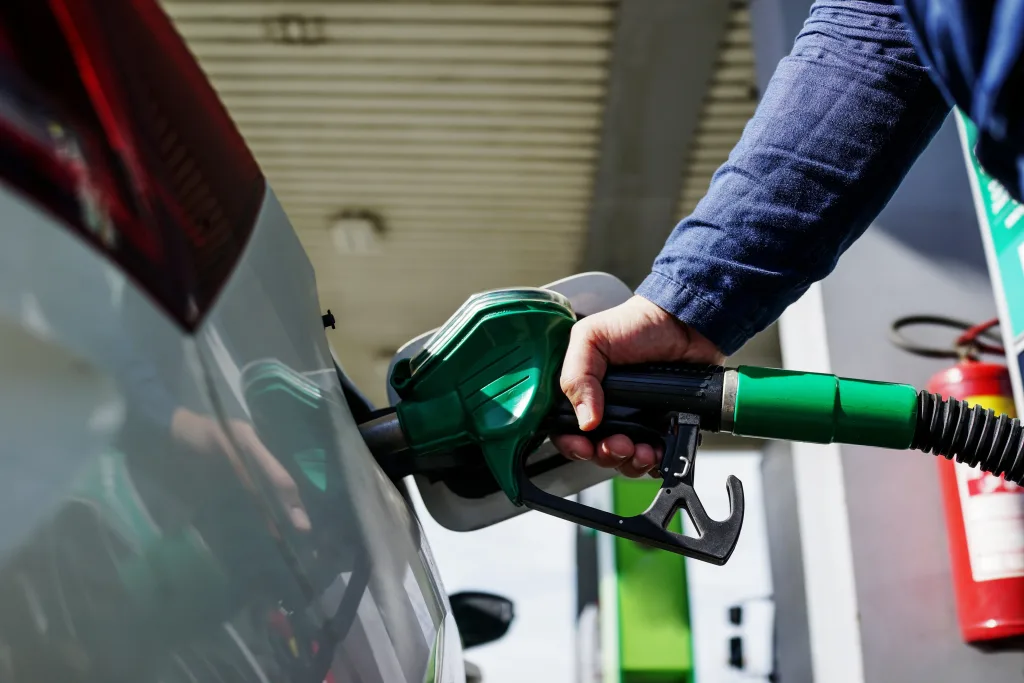
The average price of gasoline in the U.S. fell to $3.92 per gallon and touched its lowest level in more than 1 month. The decline provides relief to drivers’ wallets, but experts warn that there is no guarantee of further price drops.
The movement is due, in part, to reduced tensions over Iran and recent stability in the energy market. Still, fuel prices remain tied to crude oil, the Strait of Hormuz, and inflation.
How Much is Gasoline Today?
According to the AAA, the national average price of regular gasoline stood on June 23 at $3.9260. This represents a drop of 13.6% compared to last month.
Mid-grade gasoline rose to $4.4290. Premium remained at $4.8080. Diesel held steady at $5.0000 and E85 at $3.0190. The figures show relief, but not complete normalization.
The Energy Information Administration publishes weekly fuel data. That tracking confirms the market remains sensitive to international changes, refining, and transportation. That’s why relief today can disappear in a few days.
Why Did Prices Fall?
The main reason was the easing of the crisis with Iran. The preliminary agreement reopened the Strait of Hormuz, a key route for global crude. When that passage relaxes, oil loses pressure.
Brent crude prices moved between $77.90 and $78.15 per barrel. West Texas Intermediate settled around $73.15. These benchmarks directly influence the cost consumers pay at the pump.
The Federal Reserve also left its benchmark rate unchanged. While it doesn’t set gasoline prices, it does shape the financial climate. When inflation remains high, markets react with caution.
Patrick De Haan of GasBuddy said gasoline could continue to fall if Iran returns to selling oil without restrictions. He also warned that the strait remains a fragile pressure point. If the situation worsens, the risk of a rebound remains alive.
Will Prices Continue Falling in the Coming Weeks?
Experts don’t see a single answer. Tyler Schipper, economics professor at Saint Thomas University, told ABC News there will likely be more declines. But he also noted that the decline will eventually slow.
The reason is simple. Gasoline doesn’t depend only on peace. It depends on inventories, summer demand, and crude prices. When one of those factors changes, the pump reflects the adjustment almost immediately.
Tom Seng, professor of energy finance at Texas Christian University, focused on the Strait of Hormuz. According to him, the more oil that can flow, the better for the market. That idea summarizes the outlook.
Canal oficial
Únete a nuestro canal de WhatsApp
Recibe las noticias más importantes al instante, sin spam. Solo lo que importa, cuando importa.

Comentarios
Inicia sesión para comentar
Es gratis y toma un minuto. Con tu cuenta también podés:
- Comentar y participar en la conversación
- Guardar notas para leer después
- Ver tu historial de lectura
- Recibir el boletín con tus temas favoritos