




The U.S. immigration system is undergoing an administrative transformation phase that creates uncertainty in the Hispanic community. Operational modifications applied by federal agencies introduce new evaluation criteria that transform previously standardized legal processes. For the millions of foreigners residing in the country, understanding the nuances of these regulations is essential to protect their family and work stability. In this context, detailed analysis of regularization policies allows for anticipating the scenarios that future petitioners for legal benefits will face.
The implementation of new internal directives typically modifies the evaluation powers of officials who review each immigration case file. These kinds of technical adjustments directly impact the life projects of workers who sustain strategic economic sectors. For this reason, legal advisory associations recommend maintaining constant review of updates issued by official government bodies. Timely knowledge of current rules constitutes the best tool to avoid administrative setbacks that jeopardize permanence in the national territory.
During the adaptation processes to these reforms, the experiences of applicants reflect the complexity of federal bureaucratic mazes. Testimonies gathered from various legal offices describe the emotional tension experienced by those awaiting a final resolution on their residency status. Consequently, information channels dedicated to the Hispanic population multiply their efforts to break down the technical implications of official memoranda. Below, the details of the recent document and the groups of immigrants who could experience greater operational difficulties are examined.
What Does the New Memorandum Consist of and How Does It Alter the Status Adjustment Process?
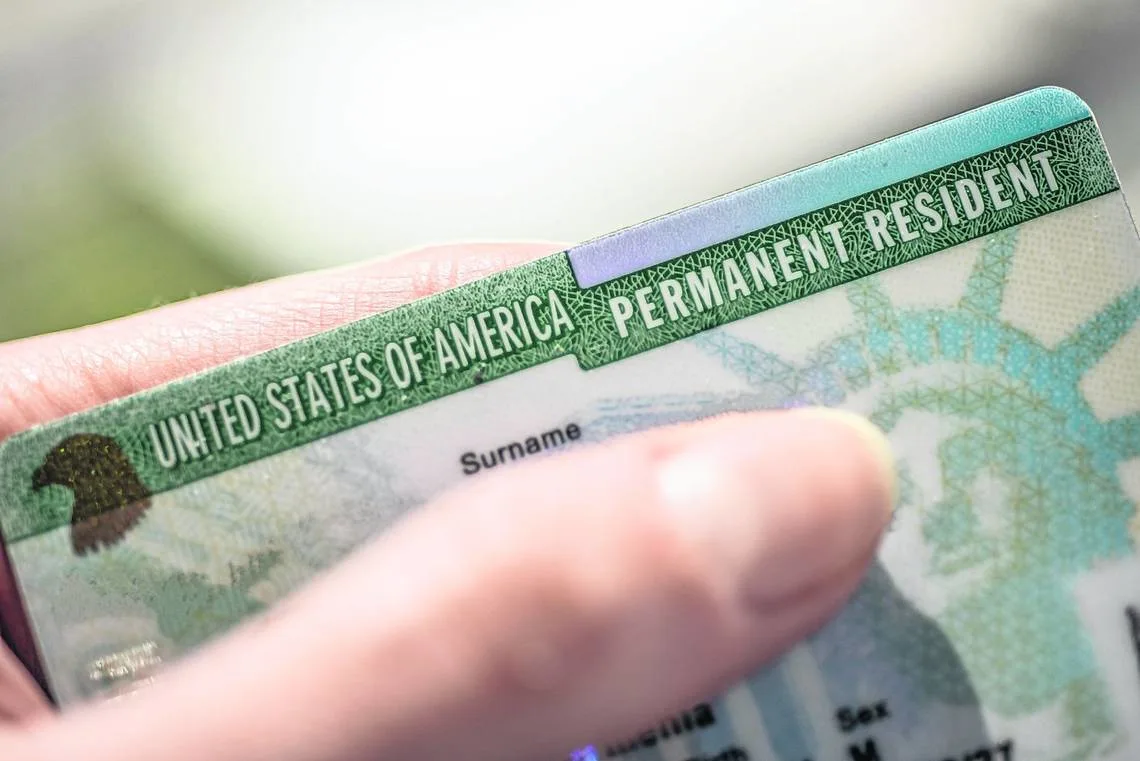
Status Adjustment is the legal mechanism that allows obtaining permanent legal residence, popularly known as a Green Card, without needing to leave U.S. territory. However, a recent internal memorandum issued by the U.S. Citizenship and Immigration Services (.gov) introduces strict criteria regarding eligibility for this procedure. The document grants broad discretion to agency officials to determine which applicants must leave the country to conclude their process through the consular route.
The imprecision of the text generates concern among immigration law specialists due to operational consequences for families of petitioners. According to statements from the American Immigration Lawyers Association (AILA) released by CNN, more than half of residences approved in 2024 were processed within the country. Specifically, nearly 500,000 people obtained their benefit through Status Adjustment without being forced to present themselves at a diplomatic delegation abroad.
The new policy suggests that people who did not maintain continuous immigration status will face difficulties concluding the process internally. This measure introduces the risk that applicants must travel to their countries of origin, facing prolonged delays at U.S. consulates. The fundamental differences between the two processing mechanisms for obtaining a Green Card are detailed in the following comparative table:
| Procedure Characteristics | Status Adjustment (Internal Process) | Consular Process (Abroad) |
| Applicant Location | Within the United States | Country of origin or third nation |
| Family Separation Risk | Minimal, the applicant |
Canal oficial
Únete a nuestro canal de WhatsApp
Recibe las noticias más importantes al instante, sin spam. Solo lo que importa, cuando importa.

Comentarios
Inicia sesión para comentar
Es gratis y toma un minuto. Con tu cuenta también podés:
- Comentar y participar en la conversación
- Guardar notas para leer después
- Ver tu historial de lectura
- Recibir el boletín con tus temas favoritos