




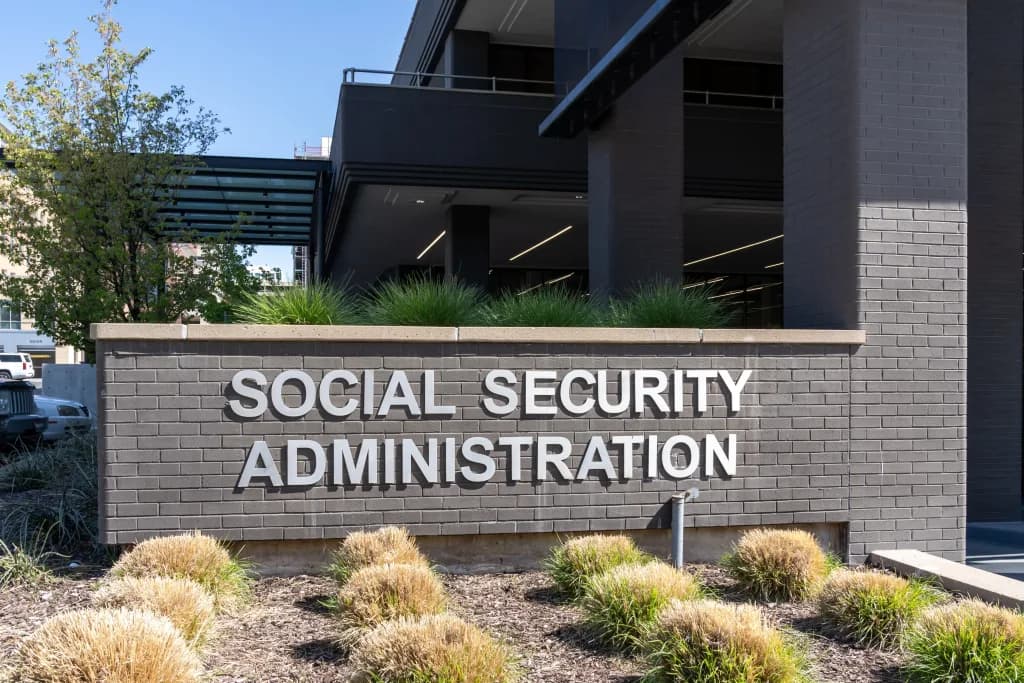
Planning for old age in the United States represents an ongoing challenge for Hispanic families. Many workers advance through their careers without clear financial guidance. For this reason, it is very common to adopt mistaken ideas about retirement.
In the Latino community, it is typical to share financial advice among family members or friends. However, not all of these recommendations have real technical support. Frequently, social media posts spread rumors that confuse the population.
A detailed analysis makes it possible to debunk the most common misconceptions about retirement. In this way, families can make better decisions to protect their assets. Below, we review the fundamental truths about the American retirement system.

Will Social Security Disappear Before You Can Retire in the United States?
Fear of a complete system collapse is one of the most widespread beliefs. Many people assume that the program will stop paying benefits in the near future. Consequently, some workers decide not to include this income in their plans.
However, the operational reality of the program is very different from these rumors. According to official data from the Social Security Administration (SSA), the system faces financial challenges, but not total bankruptcy. If Congress does not approve reforms, reserves could be depleted around 2032.
However, the program will continue to receive steady income through payroll taxes. Therefore, the system would maintain the ability to pay approximately 78% to 83% of scheduled benefits. As a result, the benefit will not disappear overnight.
Will You Need Long-Term Medical Assistance or Care During Old Age?
Many people imagine they will reach old age in perfect health. For this reason, they tend to ignore the costs derived from personal care or daily assistance. This lack of prevention represents a serious risk to family stability.
However, statistics show a very different outlook for older adults. A study from the Boston College Center for Retirement Research indicates that more than 80% of Americans will require long-term care. In other words, the vast majority will need help with daily activities at some point.
This type of professional assistance generates extremely high expenses for any household. For example, according to the firm CareScout, the average cost of a specialized facility is around $6,200 per month. Likewise, contracting at-home medical care exceeds $75,000 annually.
| Type of Medical Assistance | Estimated Average Cost | Frequent Coverage |
| Senior living facility | $6,200 per month | Personal savings / Private insurance |
Canal oficial Únete a nuestro canal de WhatsAppRecibe las noticias más importantes al instante, sin spam. Solo lo que importa, cuando importa. +12,400 miembros· Actualizaciones diarias ComentariosInicia sesión para comentar Es gratis y toma un minuto. Con tu cuenta también podés:
Busca noticias con IA |
