




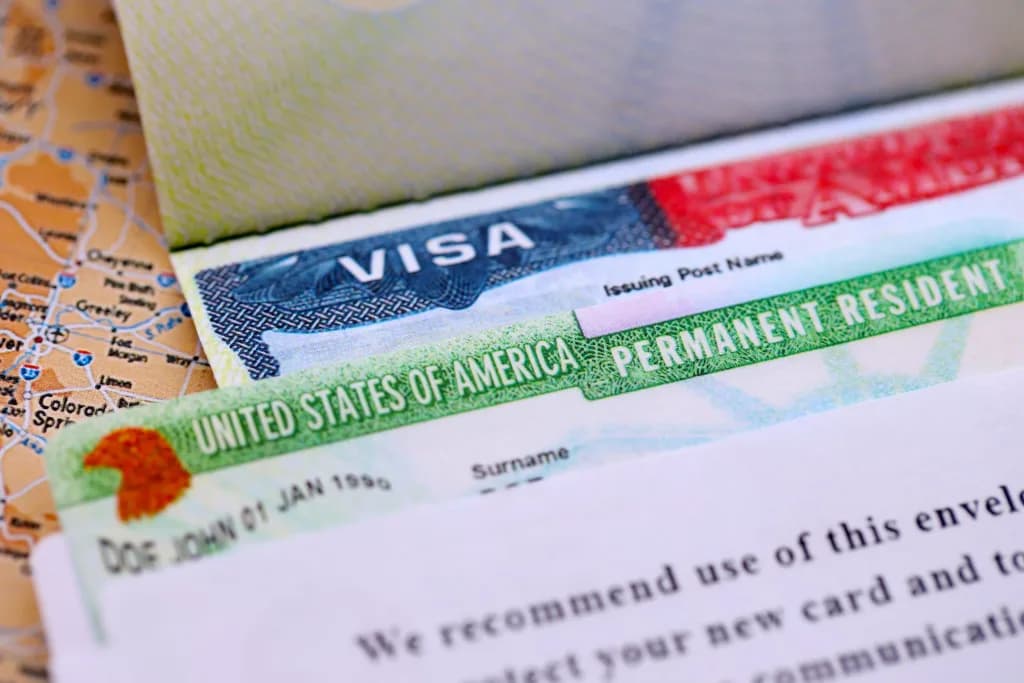
The path toward economic stability in the United States represents a constant effort for millions of Latino families. Many immigrants arrive in the country with the goal of building solid wealth through long workdays. After obtaining legal permanent residence, one of the most important financial questions arises for the family’s future. Several workers question whether the effort of their working years will translate into a dignified pension upon retirement. Uncertainty about retirement generates concern in Hispanic communities seeking to protect their long-term income.
Many permanent residents in California, Texas, or New York assume that the residency card grants immediate access to retirement. However, the legal and administrative reality of the U.S. pension system operates under specific rules of tax contribution. A healthcare sector worker or construction employee must understand how their tax contributions are recorded. Early financial planning is essential to avoid unpleasant surprises upon reaching advanced age. Therefore, understanding current regulations is the first step to ensure a peaceful and protected retirement.
The good news for the immigrant community is that access to the pension system is completely possible. However, obtaining permanent residence does not automatically guarantee the delivery of monthly benefit checks. To qualify for these retirement funds, interested parties must strictly comply with parameters linked to length of service. Mandatory contributions made to the tax system determine who has the legal right to claim these sustenance funds.

What Are the Main Rules That the Government Applies to Permanent Residents?
The Social Security Administration officially explains that legal residents face regulations very similar to those of U.S. citizens. The federal government agency manages retirement funds, disability, and survivor benefits for contributors. Most important for any applicant is having held formal positions where taxes destined for social security were deducted. Without those contributions reflected in annual tax returns, the government cannot process a valid retirement.
A point that often creates considerable confusion is thinking that the permanent residency card opens the door immediately. In reality, this immigration document only grants legal permission to reside and work within U.S. territory. The right to receive a monthly economic pension depends exclusively on having accumulated the minimum labor credits required by law. In this way, the years of tax contributions are what actually build the employee’s retirement fund.
The fundamental pillar of the pension system for the vast majority of workers is meeting the 40-credit rule. Each year, a formal employee has the opportunity to accumulate a maximum of 4 credits according to their reported financial income. According to the official guidelines of the Social Security Administration, in 2026 you earn 1 credit for every $1,890 dollars earned. Due to this annual limit, accumulating the required 40 credits is equivalent to maintaining an active working life of approximately 10 years.
| Work Credit Detail | Economic Parameter in 2026 | Minimum Time Requirement |
| Income for 1 credit | $1,890 dollars subject to taxes | Estimated work quarter |
| Maximum annual credits | 4 credits per fiscal year |
Canal oficial
Únete a nuestro canal de WhatsApp
Recibe las noticias más importantes al instante, sin spam. Solo lo que importa, cuando importa.

Autor
Anthony AstonitasDesarrollador de Software 12 años de experiencia
Comentarios
Inicia sesión para comentar
Es gratis y toma un minuto. Con tu cuenta también podés:
- Comentar y participar en la conversación
- Guardar notas para leer después
- Ver tu historial de lectura
- Recibir el boletín con tus temas favoritos