




The U.S. financial system is undergoing profound changes that are generating uncertainty in the Latino community. Recently, the federal administration confirmed that it plans to issue an executive order to transform access to banking services. This measure would impose on financial institutions the obligation to collect detailed information about the immigration status and citizenship of their customers. For many immigrants, this news represents a direct challenge to their economic stability and personal security. In this context, understanding current rules becomes a priority to protect savings and financial mobility.
Currently, federal regulations allow people without U.S. citizenship to access bank accounts under specific criteria. The 1970 Bank Secrecy Act and the 2001 USA PATRIOT Act establish the policy called «Know Your Customer.» Under this legal framework, banks must verify the identity and personal data of those who request their services. However, there is no general prohibition today that prevents an immigrant, regardless of status, from having an account. Current flexibility allows the use of alternative forms of identification that have facilitated the economic integration of millions of families.
The proposal to tighten these requirements comes amid a politically tense climate regarding border security. Treasury Secretary Scott Bessent recently raised questions about why unknown foreigners can easily open bank accounts. According to CNBC, Bessent noted that bank executives must thoroughly understand the legal situation of their users. This stance aligns with legislative initiatives in Congress that seek to criminalize at the federal level the maintenance of accounts by people in irregular situations. While these changes are debated, current regulations remain the guide for consumers.
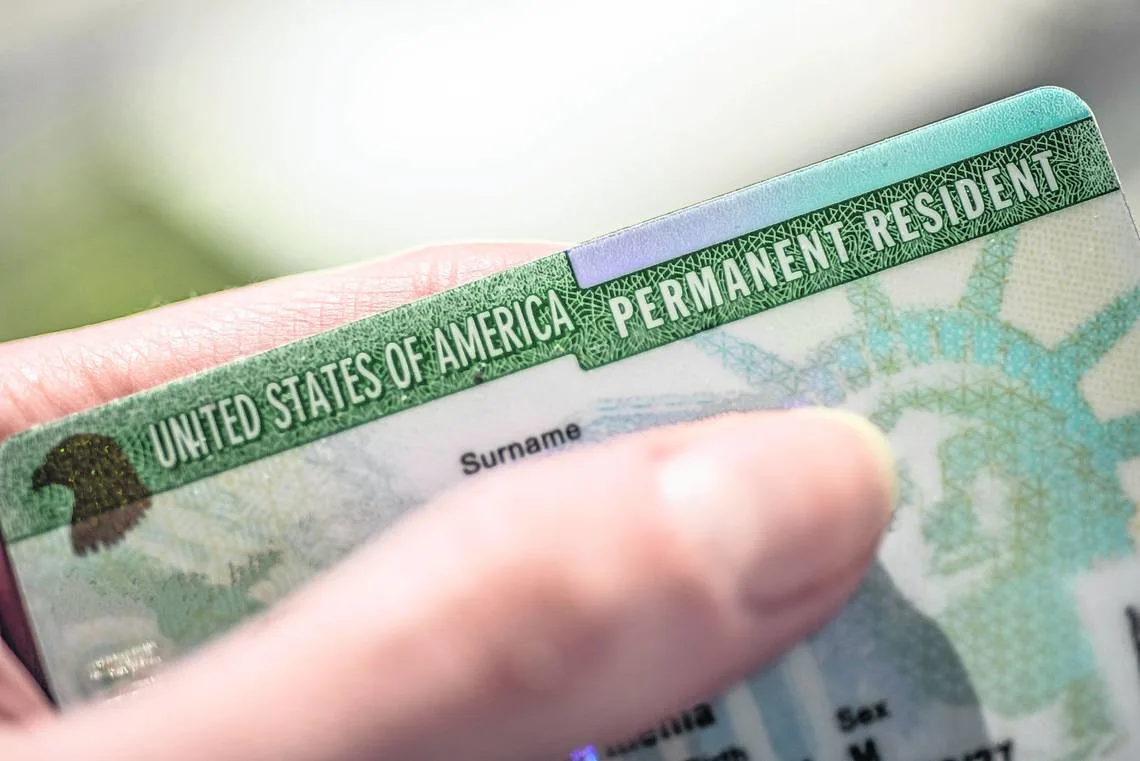
What are the basic documents that banks request today?
To open a bank account in 2026, customers must provide four essential pieces of information by federal mandate. These are: full name, date of birth, verifiable physical address, and an official identification number. Financial institutions accept various forms of identification to comply with these security requirements. For example, the bank Chase explains that many people who migrate incorrectly believe they do not meet the requirements. However, the institution clarifies that many entities offer financial products for non-resident individuals.
The identification number requested does not necessarily have to be a Social Security Number. Banks widely accept the Individual Taxpayer Identification Number, commonly known as ITIN. This number is issued by the Internal Revenue Service (IRS) to those who must pay taxes but do not qualify for Social Security. In addition to the ITIN, banks such as PNC or Citi require proof of physical residence within the United States. A lease agreement or utility receipt (electricity, water, gas) is usually sufficient to confirm the address.
The Consumer Financial Protection Bureau details that most banks require a photo identification. Among the accepted documents are a state driver’s license, a U.S. passport, or military identification. For foreign nationals, a valid passport from their country of origin usually works as primary identification in many branches. However, some institutions may request additional procedures to validate the authenticity of documents issued outside national borders. It is crucial that the customer present original and valid documents to avoid delays.
Standard documentation for account opening
| Document Type | Description and Use | General Acceptance |
| Foreign Passport | Official valid document issued by the country of origin. | Very High |
| ITIN Number | Tax identification for those who do not have SSN. | High |
| Consular Registration | Document issued by consulates (e.g., Mexico, Guatemala). | Medium (varies by bank) |
| Proof of Address | Utility receipts or rent contract. | Required |
| Driver’s License | State identification with photograph. | Very High |
What does the «Know Your American Customer» bill consist of?
Legislative pressure to restrict bank access has taken shape through Republican Senator Tom Cotton. Last March, Cotton introduced the «Know Your American Customer Act.» This bill seeks to explicitly prohibit undocumented immigrants from using the U.S. financial system. According to Cotton, access to banking is a privilege that should be reserved for those who respect immigration laws. The proposal would require banks and credit unions to rigorously verify the legal status of each applicant.
If this law were passed, institutions insured by the FDIC or NCUA would have to implement additional controls. Current customers would also be incorporated into the verification system to retroactively validate their immigration situation. The legal text aims to criminalize at the federal level that an undocumented person maintain an active account. However, legal responsibility would fall on the individual and not on the bank, as long as the entity acts in good faith. This proposal has generated a strong reaction from human rights advocacy groups who fear mass exclusion.
Meanwhile, the DHS and other federal agencies continue to assess security risks in the system. Although the White House has called some reports «unfounded speculation,» the possibility of an executive order remains under analysis. The government’s stated objective is to reduce money laundering risks and ensure transparency. Meanwhile, the banking sector is watching carefully how these measures could affect their deposits and daily operations. The uncertainty forces users to stay informed about the protocols of their own institutions.
What risks do banks face with these new requirements?
The implementation of new citizenship requirements represents a logistical and economic burden for financial institutions. Banks would have to train their staff to identify complex immigration documents and various types of visas. This could increase wait times and operational costs at each branch. Additionally, there is fear that millions of people will withdraw their funds from the formal system out of fear of being reported. According to CNN, this massive capital withdrawal could affect the liquidity of community banks in areas with high immigrant populations.
Financial experts point out that exclusion from the banking system fosters the informal economy and increases insecurity. People who cannot use banks typically handle large amounts of cash, making them easy targets for crime. Access to a bank account also makes it possible to build a credit history, something vital for buying a home or starting businesses. By closing these doors, the economic growth of communities that contribute significantly to GDP is limited. Therefore, many entities prefer to maintain current inclusion policies under the «Know Your Customer» standard.
The coordination between the Treasury Department and banking regulators will be key in the coming months. If the executive order is signed, banks will have to adapt their technology systems immediately. This includes creating new databases that link immigration status with user profiles. Some executives have expressed concern about the privacy of personal data under these new guidelines. The trust between a customer and their banker is a fundamental pillar that could be compromised by these state control policies.
Comparison between the current system and the proposed bill
| Feature | Current System (2026) | «Know Your American Customer» Proposal |
| Immigration Status | It is not a general exclusion requirement. | Required to open or maintain accounts. |
| Identification | Accepts ITIN and foreign passports. | Requires strict proof of legal presence. |
| Responsibility | The bank verifies the customer’s identity. | Criminalizes illegal use at the federal level. |
| Current Customers | Generally not audited for status. | Retroactive audit for all customers. |
| Target Audience | All residents and non-residents. | Citizens, residents, and valid visa holders. |
The social impact of financial exclusion
The banking inclusion of immigrants is not only an economic matter, but one of social integration and public safety. When a Latino family can save in a bank, it gains access to tools to plan its future and protect its assets. The proposal to restrict this access ignores the fact that the financial system benefits from deposits from all residents. Credit unions, in particular, have been historical allies of Latino workers in states like California and Texas. A break in this relationship would affect these institutions’ ability to offer loans and local services.
From the perspective of civil rights experts, the use of banking as a migration control tool is concerning. Institutions such as the American Civil Liberties Union (ACLU) have noted that these measures could foster racial profiling. If a teller must decide who appears to be «a citizen,» there is a risk that services will be denied based on prejudice. This would create a two-tier society where access to basic rights depends on national origin. Transparency and impartiality in the application of financial laws are essential to maintain public trust.
Finally, the community should remember that, until now, the doors of banks remain open under known rules. It is recommended that those interested in opening an account gather their documents and act soon. Maintaining a solid relationship with a financial institution can offer some protection if seniority clauses are applied. Financial education and knowledge of one’s own rights are the best defenses against political changes. While the White House and Congress define the course, individual preparation makes the difference in home security.
Frequently Asked Questions (FAQs)
1. Can I open a bank account with only my foreign passport?
Many banks accept the foreign passport as primary identification. However, they usually ask for a second document, such as a utility receipt or an ITIN number, to complete the security profile.
2. What is an ITIN number and how does it help at the bank?
The ITIN is a number for tax purposes issued by the IRS. It allows those without Social Security to open accounts and report interest, facilitating their integration into the banking system.
3. Can my current account be closed if the law changes?
Current bills propose auditing existing customers. If passed, people without legal status could face account closure, although some proposals suggest protecting pre-existing relationships.
4. Is it required to be a citizen to have a debit card?
No, under the current 2026 rules, residents and non-residents can obtain debit cards as long as they comply with the bank’s identity verification.
5. Which bank is most immigrant-friendly?
Entities such as Chase, Citi, and various credit unions have specific programs and Spanish-language guides to help newcomers open their initial accounts.
Canal oficial
Únete a nuestro canal de WhatsApp
Recibe las noticias más importantes al instante, sin spam. Solo lo que importa, cuando importa.

Autor
Anthony AstonitasDesarrollador de Software 12 años de experiencia
Comentarios
Inicia sesión para comentar
Es gratis y toma un minuto. Con tu cuenta también podés:
- Comentar y participar en la conversación
- Guardar notas para leer después
- Ver tu historial de lectura
- Recibir el boletín con tus temas favoritos